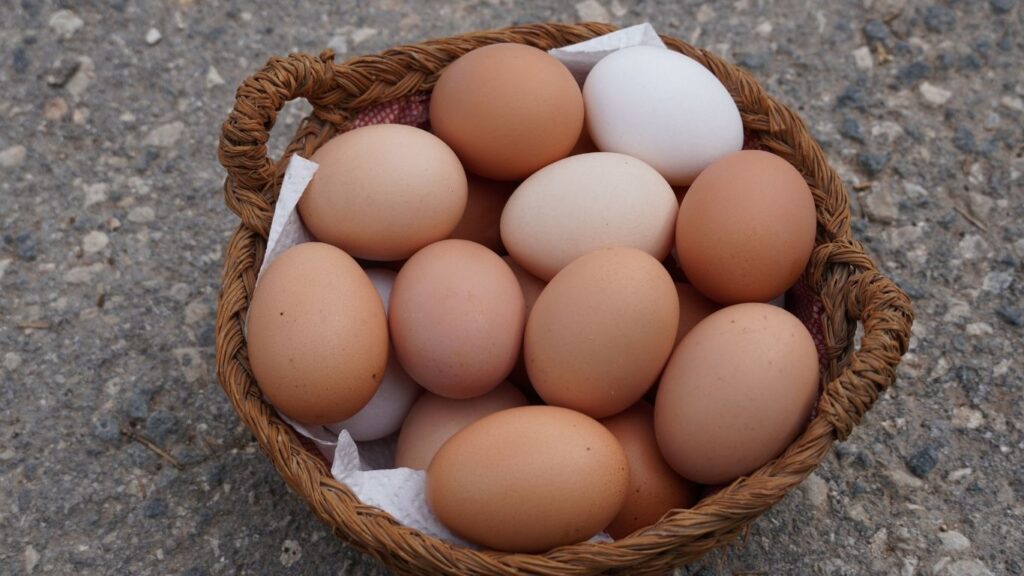
If you’ve ever stood in front of a shelf full of eggs wondering why some are brown and others are white—and which one is actually better—you’re not alone. It’s one of the most common food questions people have. The truth might surprise you: the difference isn’t about nutrition, taste, or health benefits at all. It’s much simpler—and a lot more interesting.
🧠 The Simple Truth You Should Know
Brown eggs and white eggs are almost identical on the inside. They contain the same amount of protein, similar fat levels, and nearly the same vitamins and minerals. Whether you crack open a brown egg or a white one, the nutritional value remains practically unchanged.
Think of it like two houses painted in different colors. One might be white and the other brown, but inside, they have the same structure, layout, and quality. The outer color doesn’t change what’s inside.
🐔 Why Are Eggs Different Colors?
The color of an eggshell depends entirely on the breed of the chicken that lays it. Chickens with white feathers and white earlobes usually produce white eggs, while chickens with red or brown feathers and red earlobes tend to lay brown eggs.
The brown color comes from a natural pigment added during the final stage of egg formation. It’s like applying a finishing coat of paint—by that point, the egg inside is already fully formed. So, the inside stays exactly the same regardless of shell color.
🤔 Why Do People Think Brown Eggs Are Healthier?
This belief mostly comes from perception rather than science. Many people associate darker colors with being more natural or organic, while lighter colors seem more processed. But this is just a psychological assumption—not a scientific fact.
In reality, egg quality has nothing to do with shell color. It’s more about how the chicken is raised and what it eats.
💰 Why Are Brown Eggs Usually More Expensive?
Here’s where things get interesting. Brown eggs often cost more, but not because they’re healthier.
Chickens that lay brown eggs are typically larger and require more food. They may also produce fewer eggs in some cases. This increases farming costs, which leads to higher prices in stores.
It’s similar to bottled water—sometimes you pay more because of branding or packaging, not because the product itself is better.
🧬 What Does Science Say About Nutrition?
Scientific studies consistently show that:
- Protein levels are nearly identical
- Fat content is the same
- Vitamins and minerals are very similar
The only small differences come from the chicken’s diet and living conditions—not the shell color. For example, free-range chickens or those fed enriched diets may produce eggs with slightly different nutrient profiles.
But again, this has nothing to do with whether the egg is brown or white.
🧱 Are Brown Eggs Stronger?
Another common myth is that brown eggs have stronger shells. However, shell strength actually depends on factors like:
- The chicken’s diet (especially calcium intake)
- The age of the chicken
- Overall health
A young, healthy chicken—regardless of color—can produce strong eggshells. It’s like building a wall: strength depends on the materials used, not the color of the paint.
🛒 Which Eggs Should You Buy?
So, when you’re choosing between brown and white eggs, what should you focus on?
- If you’re looking for affordability, white eggs are often cheaper
- If you prefer farm-raised or free-range options, you might see more brown eggs
- If your goal is nutrition, both are equally good
The smartest choice is to look beyond the color and focus on how the chickens were raised. Labels like organic, free-range, or pasture-raised can give you better insight into quality.
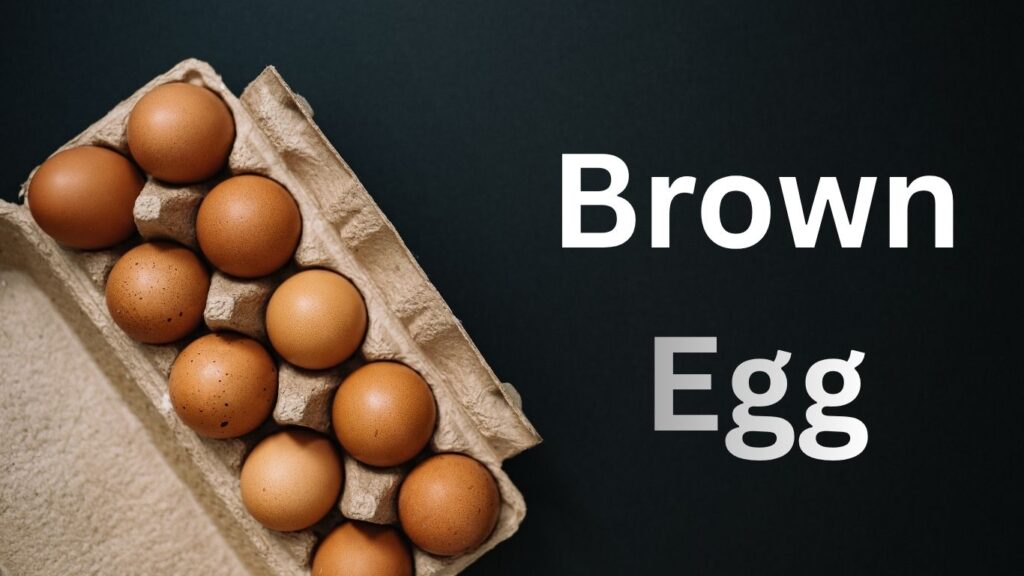
Are Brown Eggs Really Healthier?
This is the biggest myth—and it needs to be cleared first.
Brown the eggs are nor for healthier forthan white eggs. Both types contain nearly identical amounts of:
- Protein
- Healthy fats
- Vitamins (like B12 and D)
- Minerals
No matter the shell color, the inside remains almost the same. Your body doesn’t get extra benefits just because the egg is brown.
🐔 What Actually Determines Egg Color?
The answer lies in the chicken—not the egg itself.
Different breeds of chickens produce different shell colors. It’s a natural biological trait, just like eye color in humans. Chickens with lighter feathers usually lay white eggs, while darker or reddish-feathered chickens tend to lay brown eggs.
The color is added during the final stage of egg formation. By that time, the egg is already complete on the inside. So, the outer shell is simply a layer of pigment, not a sign of quality.
🎨 Why Our Brain Thinks Brown = Better
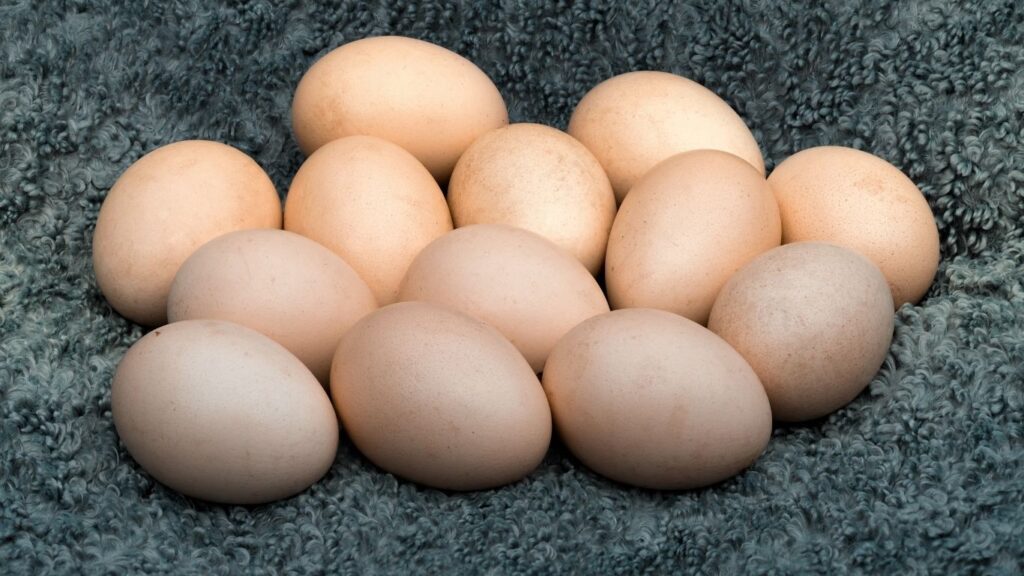
Humans often associate darker colors with being more “natural” or “organic.” That’s why many people believe brown eggs are healthier.
But this is more about psychology than reality.
It’s similar to how whole grain bread looks healthier than white bread—sometimes the appearance influences our thinking more than actual facts.
💸 Why Do Brown Eggs Cost More?
If brown eggs aren’t better, then why are they usually more expensive?
The reason is simple: production cost.
Chickens that lay brown eggs are generally larger. They eat more food and require more resources. In some cases, they also produce fewer eggs. All of this increases the cost for farmers, which then reflects in the market price.
So, you’re paying more for the farming process—not for better nutrition.
🧬 Does Diet Matter More Than Color?
Yes—this is where the real difference comes in.
The diet of the chicken plays a much bigger role than shell color. Chickens that are fed nutrient-rich food or raised in better conditions may produce eggs with slightly improved nutritional value.
For example:
- Free-range chickens may produce eggs with better fatty acid balance
- Chickens fed special diets can have eggs with higher omega-3 content
But again, this has nothing to do with whether the egg is brown or white.
🧱 Eggshell Strength: Another Common Myth
Some people believe brown eggs are stronger or thicker—but that’s not entirely true.
Shell strength depends on:
- Calcium intake
- Chicken’s age
- Overall health
A healthy chicken with proper nutrition can produce strong eggs regardless of color. So, don’t judge strength based on appearance alone.