🟢 Introduction: A New Way to Look at Aging
In a world that often measures worth by speed, productivity, and constant activity, there is a quiet and often forgotten beauty in slowing down. Especially after the age of 50, health is no longer defined by how fast you run or how heavy you lift. Instead, it becomes something deeper — something more meaningful.
It becomes about how your body tells its story.
How your movements reflect your history.
And how your daily habits shape the strength you carry forward.
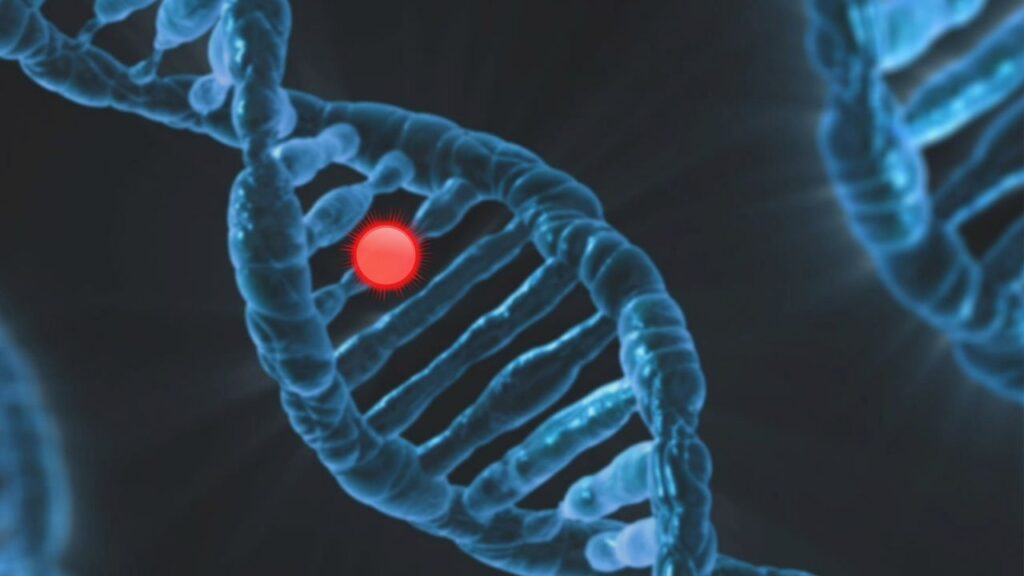
Modern science, particularly genomics research, is now helping us understand aging in a completely new way. Institutions like the UC Santa Cruz Genomics Institute and advanced health research teams are exploring how human biology is not fixed, but dynamic — constantly adapting like a living code.
This idea is often explained through the concept of the human pangenome reference, which helps scientists understand human diversity at a deeper biological level.
But what does genetics have to do with simple movement?
The answer is simple: everything.
Your body is not static. It is constantly adapting, responding, and rewriting itself based on how you use it. Movement is not just exercise — it is communication with your biology.
Let’s explore six simple daily movements inspired by this modern understanding of human health and longevity.
🟡 Understanding the Body After 50: More Than Just Aging
Aging is often misunderstood as decline, but in reality, it is transformation. After 50, the body does not stop working — it simply responds more directly to how it is treated.
If movement decreases, stiffness increases.
If strength is ignored, balance weakens.
If activity slows down, energy follows.
However, the body also has a powerful ability: adaptation.
This means even small, intentional daily movements can help maintain strength, flexibility, and stability over time.
🟣 Movement 1: The Intentional Step 🚶♂️
The first movement is simple but powerful — the intentional step.
This is not ordinary walking. It is walking with awareness. Each step is slow, controlled, and deliberate. You focus on how your heel touches the ground and how your foot transitions forward.
Why it matters
After 50, balance becomes extremely important. The intentional step helps the brain reconnect with spatial awareness. It trains coordination and reduces instability.
Think of it as re-teaching your body where it is in space.
Simple benefit
- Improves balance
- Enhances coordination
- Supports joint awareness
Even 5–10 minutes a day can make a noticeable difference in stability and confidence.
🔵 Movement 2: The Upward Reach 🙆♂️
The second movement is the upward reach — extending your arms slowly toward the sky.
This movement opens the chest, stretches the spine, and activates muscles that often remain inactive during long periods of sitting.
Why it matters
As we age, posture naturally becomes compressed. The upward reach helps reverse that effect by encouraging expansion in the upper body.
It also promotes deeper breathing and improves oxygen flow.
Simple benefit
- Improves posture
- Expands lung capacity
- Reduces stiffness in the upper body
It is a reminder that your body is still capable of reaching higher — physically and mentally.
🟢 Movement 3: Core Rotation 🔄
Core rotation involves gently turning your torso from side to side while keeping your body stable.
Why it matters
This movement activates your core muscles and improves spinal mobility. It also supports digestion and flexibility.
Your body works in balance — left and right, front and back. Core rotation keeps that balance alive.
Simple benefit
- Improves spinal flexibility
- Strengthens core muscles
- Supports digestion and posture
Even slow rotations can bring noticeable relief from stiffness.
🟠 Movement 4: The Gentle Squat 🦵
The gentle squat is one of the most powerful functional movements for the body.
It involves lowering your body slightly and then standing back up.
Why it matters
This movement directly supports leg strength — which is essential for independence in later years.
Strong legs mean better mobility, stability, and confidence in daily life.
Simple benefit
- Strengthens lower body
- Supports joint health
- Improves mobility and independence
You do not need deep squats. Even small controlled movements are highly effective.
🔴 Movement 5: The Open Breath 🌬️
Breathing is often overlooked, but it is one of the most powerful health tools we have.
The open breath involves inhaling deeply while expanding the chest, and exhaling fully while relaxing the body.
Why it matters
Breathing affects every system in the body — from circulation to stress levels.
Deep breathing helps calm the nervous system and improves mental clarity.
Simple benefit
- Reduces stress
- Improves oxygen flow
- Enhances mental clarity
This movement is as much emotional as it is physical.
🟣 Movement 6: The Connection Movement 🤝
The final movement is not physical — it is emotional and social connection.
Talking to someone, spending time with family, or simply engaging with others plays a huge role in long-term health.
Why it matters
Human beings are social by nature. Isolation can impact both mental and physical health.
Connection improves mood, reduces stress, and supports emotional well-being.
Simple benefit
- Improves mental health
- Reduces loneliness
- Enhances emotional strength
A healthy life is not only about a strong body — it is also about meaningful relationships.
🟡 Why These Movements Matter After 50
After 50, the goal is not extreme fitness — it is sustainable strength.
These six movements work because they focus on:
✔ Balance
✔ Mobility
✔ Strength
✔ Breathing
✔ Awareness
✔ Connection
They are simple, but consistency is what makes them powerful.
🟠 Movement 4: The Gentle Squat 🦵
The gentle squat is one of the most functional movements in daily life.
It mimics actions like:
- Sitting down
- Standing up
- Picking up objects
🌿 Why it matters
Leg strength is directly linked to independence as we age.
Stronger legs mean:
- Better mobility
- Improved balance
- Greater confidence in movement
💡 Daily benefit
- Strengthens thighs and hips
- Supports joint health
- Improves everyday movement ability
Even shallow squats are highly effective when done consistently.
🔴 Movement 5: The Open Breath 🌬️
Breathing is often overlooked, yet it is one of the most powerful regulators of health.
The open breath involves:
- Deep inhalation through the nose
- Expanding the chest and abdomen
- Slow, controlled exhalation
🌿 Why it matters
Breathing influences:
- Stress levels
- Heart rate
- Mental clarity
- Emotional stability
💡 Daily benefit
- Reduces anxiety
- Improves focus
- Supports nervous system balance
It is a reminder that healing does not always require effort — sometimes it simply requires awareness.
🟣 Movement 6: The Connection Movement 🤝
The final movement is not physical — it is emotional and social.
It includes:
- Talking with family
- Spending time with friends
- Engaging with your community
🌿 Why it matters
Human beings are deeply social. Emotional connection directly impacts physical health.
Studies consistently show that strong social relationships:
- Improve lifespan
- Reduce stress levels
- Support mental health
💡 Daily benefit
- Reduces loneliness
- Improves emotional resilience
- Strengthens overall well-being
Connection is not optional — it is part of health.
🟡 Why These Movements Work After 50
These six movements are powerful because they focus on what truly matters after 50:
✔ Stability instead of speed
✔ Awareness instead of intensity
✔ Consistency instead of extremes
✔ Function instead of appearance
They do not require equipment, gym memberships, or complex routines.
They require only one thing: