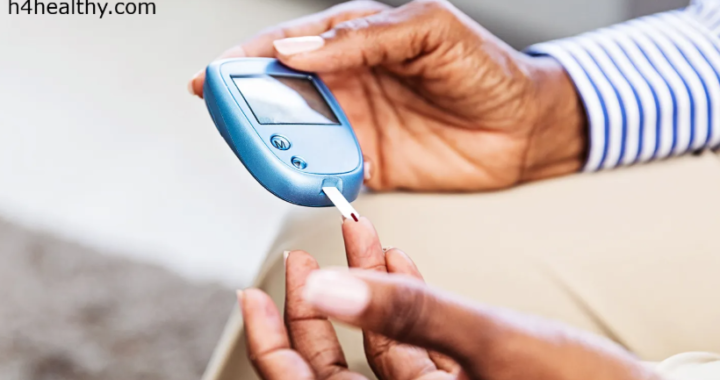
Early Symptoms Most People Ignore Until It’s Too Late
Most people think diabetes is only discovered after a blood test. You visit your doctor, get some lab work done, and suddenly hear the words, “Your blood sugar is high.”
But the truth is far more surprising.
Your body often starts warning you months — sometimes even years — before a diagnosis ever appears on paper. And one of the first places these warning signs show up is your feet.
Millions of people ignore these symptoms every day because they seem harmless, normal, or simply related to aging. Unfortunately, overlooking these signs can allow diabetes to silently damage nerves, blood vessels, kidneys, and eyesight over time.
In this article, we’ll explore 9 important foot-related warning signs of diabetes, what they actually mean, and simple daily habits that may help protect your health. 🩺
Why Your Feet Reveal Early Diabetes Symptoms
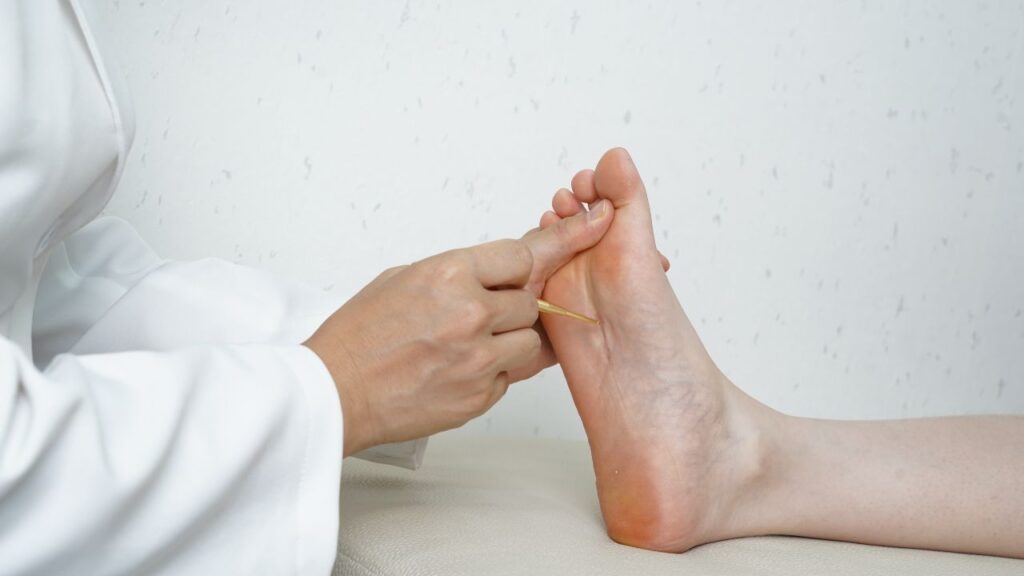
Your feet contain thousands of tiny nerves and blood vessels. When blood sugar levels remain high for long periods, these delicate structures are often the first to suffer damage.
That’s why doctors frequently examine the feet when checking for diabetes complications.
According to the American Diabetes Association, millions of people are living with undiagnosed diabetes right now. Recognizing these early symptoms could help you seek medical attention before serious complications develop.
1. Tingling or Numbness in the Feet ⚡
One of the earliest and most common warning signs is a “pins and needles” sensation in the feet.
Many people assume their foot simply “fell asleep” from sitting incorrectly. Occasional numbness is normal, but frequent tingling without a clear reason may indicate nerve damage caused by elevated blood sugar.
What’s Happening Inside the Body?
High blood sugar slowly damages the protective covering around nerves. As the nerves become injured, signals between the brain and feet become distorted.
This condition is known as peripheral neuropathy.
Helpful Daily Habit
- Walk for 20–30 minutes daily
- Reduce sugary foods and sweetened drinks
- Keep blood circulation active
2. Burning Feet at Night 🔥
Do your feet feel hot or burning while lying in bed — even when they aren’t physically warm?
This symptom often becomes worse at night because there are fewer distractions.
Why It Happens
Damaged nerves may send incorrect heat signals to the brain. Even though nothing is actually burning your feet, your nervous system behaves as if it is.
Studies published in Diabetes Care show that burning foot pain can appear years before a formal diabetes diagnosis.
Helpful Daily Habit
- Drink plenty of water daily
- Add more fiber-rich foods like oats, vegetables, and legumes
- Avoid excessive sugar intake

3. Cuts or Blisters That Heal Slowly 🩹
A small blister that refuses to heal could be a serious warning sign.
Healthy bodies normally repair wounds quickly. But diabetes can damage circulation, making healing much slower.
Why It’s Dangerous
Poor blood flow prevents oxygen and nutrients from reaching injured tissue. This increases the risk of infection and complications.
The Centers for Disease Control and Prevention reports that diabetic foot ulcers are one of the leading causes of lower-limb amputations.
Helpful Daily Habit
- Check your feet every night
- Clean even small cuts immediately
- Seek medical attention if wounds don’t improve within 48 hours
4. Darkened or Discolored Skin Around the Ankles 🟤
Changes in skin color are often ignored because people assume it’s aging or sun damage.
However, darker, reddish, or bluish skin near the ankles may signal poor circulation linked to high blood sugar.
What Causes It?
When blood vessels narrow, oxygen-rich blood struggles to reach the skin properly. Over time, the skin changes color due to reduced nourishment.
Helpful Daily Habit
- Perform ankle circles and calf stretches every morning
- Elevate your feet while sitting
- Stay physically active
5. Severely Cracked Heels 👣
Dry skin happens to everyone occasionally. But deep heel cracks that never improve may point to nerve-related problems.
What’s Really Happening?
Diabetes can damage autonomic nerves that control moisture and sweat production. Without proper hydration from within, skin becomes dry and fragile.
Cracks in the skin can become entry points for dangerous infections.
Helpful Daily Habit
- Moisturize feet every night
- Drink enough water throughout the day
- Avoid applying lotion between the toes
6. Swollen Feet and Ankles 🦵
Swelling isn’t always caused by standing too long.
Persistent swelling, especially with deep sock marks, may indicate kidney stress related to diabetes.
Why It Happens
The kidneys help regulate fluid balance. High blood sugar can damage kidney function, causing fluid buildup in the lower body.
Helpful Daily Habit
- Elevate your feet while resting
- Reduce sodium intake
- Avoid heavily processed foods
7. Sharp or Stabbing Foot Pain ⚠️
Some people experience sudden electric-shock-like pain in their feet.
This symptom is often mistaken for arthritis or aging.
What Causes the Pain?
Damaged nerves can become overactive and send pain signals even when there’s no actual injury.
This is another form of diabetic neuropathy.
Helpful Daily Habit
- Stretch feet and ankles every morning
- Massage your feet gently before bed
- Stay physically active
8. Constantly Cold Feet ❄️
Cold feet during winter may seem normal. But cold feet in warm weather can signal poor blood circulation.
What It Means
Narrowed blood vessels prevent warm blood from properly reaching the feet.
The American Heart Association identifies diabetes as a major risk factor for circulation problems.
Helpful Daily Habit
- Take brisk daily walks
- Improve circulation with regular movement
- Avoid smoking and excessive sugar intake
9. Hair Loss on Feet and Lower Legs 🦶
One lesser-known warning sign is reduced hair growth on the feet and lower legs.
Why It Happens
Hair follicles rely on healthy blood circulation. When circulation decreases, hair growth may slow or stop entirely.
Although many people never notice this symptom, doctors often look for it during diabetic foot exams.
Helpful Daily Habit
- Maintain healthy blood sugar levels
- Exercise regularly
- Schedule routine medical checkups
When Should You See a Doctor? 🩺
If you notice even one or two of these symptoms regularly, it’s worth discussing them with a healthcare professional.
A simple blood test can often detect diabetes early — before major complications begin.
Early diagnosis can help protect:
- Nerves
- Kidneys
- Vision
- Heart health
- Blood circulation