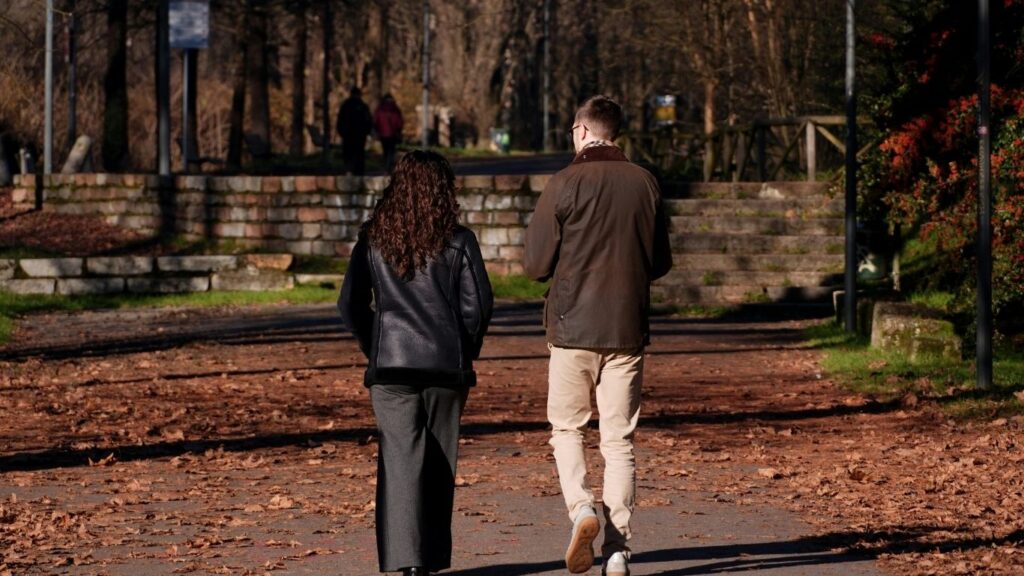
Walking is often hailed as the perfect exercise. From childhood through adulthood, we’ve been told that a daily walk keeps the doctor away. But as we cross the threshold of midlife, the rules of walking change. What once seemed harmless may now carry hidden risks that can silently affect your health. After 50, even a simple stroll can become a challenge if you’re unaware of these dangers.
In this article, we explore the seven hidden dangers of walking after 50 and share strategies to transform your daily walk into a life-enhancing ritual. 🌿
1. The Silent Shift in Proprioception 🧠
As we age, our brain’s ability to sense our body’s position—known as proprioception—gradually diminishes. This subtle change can turn ordinary terrain into a hazard. A small pebble underfoot may lead to a misstep, a twisted ankle, or worse—a life-altering fall.
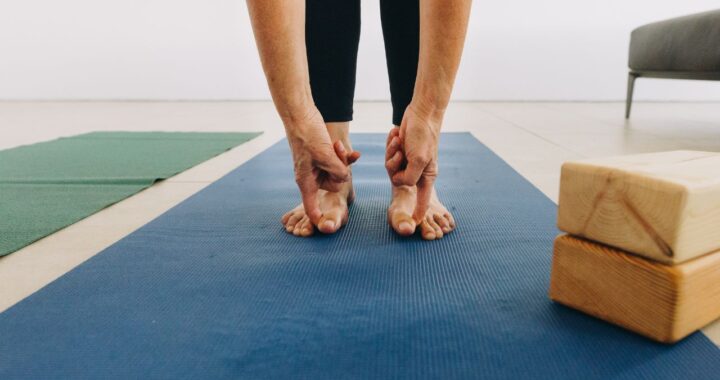
Tip: Practice balance exercises, such as standing on one leg or slow heel-to-toe walking, to keep your body’s internal sensors sharp.
2. Muscle Sarcopenia: Strength That Disappears 💪
Walking alone is not enough to maintain muscle mass. Sarcopenia, the gradual loss of muscle tissue, affects core muscles and glutes. Without engaging these muscles, walking shifts stress to your spine and knees, causing silent joint damage.
Tip: Incorporate light resistance training and core engagement during walks. Small adjustments, like tightening your abdominal muscles or extending your stride, can preserve strength.
3. The Dehydration Mirage 💧
After 50, your body stops sending clear thirst signals until dehydration has already set in. That lightheaded feeling? It’s not just your imagination—it’s your brain struggling to function.
Tip: Drink water proactively before and after your walks. Include electrolyte-rich fluids during longer walks to prevent hidden dehydration.
4. The Cardiac Ego ❤️
Many adults mistake a racing heart for a sign of a good workout. However, excessive breathlessness or chest tightness may signal heart strain. Ignoring all these warning of signs that can be dangerous.
Tip: Monitor your heart rate, stay within safe exertion levels, and never push through chest discomfort. Walk at a pace that allows you to talk comfortably.
5. The Invisible Wear of Footwear 👟
Your beloved walking shoes may be silently sabotaging your alignment. Worn-out cushioning transfers shock to your ankles, knees, and hips. 1,000 misaligned steps can equate to a month of joint discomfort.
Tip: Replace shoes every 6–12 months, or when soles compress. Choose footwear with proper arch support and cushioning tailored to your gait.
6. The Twilight Trap 🌆
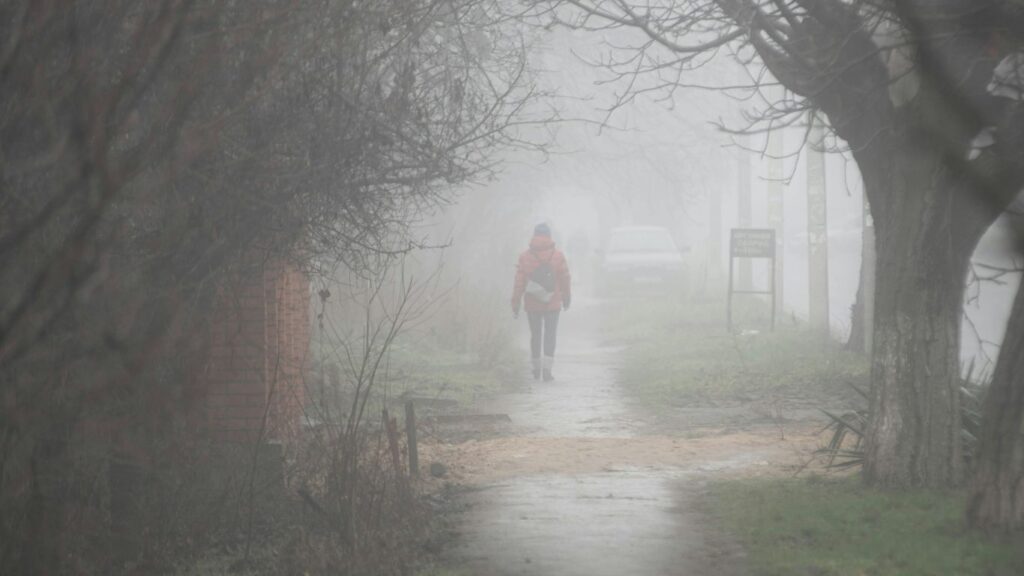
The most treacherous danger isn’t in the darkness or uneven terrain—it lies within the mind. Mental fatigue and complacency can lead to missteps and injuries.
Tip: Walk mindfully. Focus on each step and remain present. Avoid distractions such as phones or multitasking during your walk.
7. The Mastery Trap: Overconfidence After Years of Walking 🏆
After decades of walking, we assume we are experts. Persistent aches or tightness are often ignored, mistaken for “normal” discomfort. This can worsen over time.
Tip: Listen to your body. Pain is that signal, or not a weakness. Adjust your form, take breaks, and prioritize recovery.

Transforming Your Walk: From Risk to Mastery 🌟
Awareness is your greatest tool. By acknowledging these hidden threats, you transform walking from a risky routine into a vitality-building practice. Every step taken with intention is a victory for your future self.
Align Your Spine and Engage Your Core 🧘♂️
Imagine that a string are pulling to you upward to from the crown head. Stand tall, roll your shoulders back, and engage your abdominal muscles. This alignment protects your spine, hips, and knees while improving balance.
Mindful Observation 👀
Notice the ground beneath your feet—not as a threat, but as a partner in your journey. Assess terrain carefully and step consciously, minimizing strain on aging joints.
Hydrate and Nourish ⚡
Proactive hydration is essential. Eat nutrient-dense meals to fuel muscle endurance, joint health, and cognitive function.
Breathe Like a Champion 🌬️
Controlled breathing lowers heart rate and enhances stamina. Practice inhaling deeply through your nose and exhaling slowly. A rhythmic breath allows you to walk longer safely.
The Secret Weapon: Consistency and Presence 🕰️
After 50, fitness is not about extremes—it’s about daily care. Each step is a promise to your future self. Walking becomes a ritual, a moving meditation that strengthens body and mind.
- Strength is about flexibility and resilience, not just distance.
- Awareness of fatigue protects against missteps.
- Consistency builds long-term health, silently defending against age-related decline.
Avoiding Complacency: Walking Isn’t Automatic 🔑
Even experienced walkers face the danger of complacency. Balance must be maintained intentionally. Treat your body like the masterpiece it is. Protect it, nourish it, and respect its limits.
The path may grow darker over time, but your vision of health should remain clear. Mindful walking is more than exercise—it’s a declaration that your best years are still ahead.
The Mental Game: Overcoming Invisible Fatigue 🧠
Physical fatigue is obvious, but mental fatigue often precedes it. When the mind loses focus, the risk of missteps rises, even on familiar paths. Anchor yourself in the present. Each step is a conscious choice toward safety and vitality.
The Mindful Walk: Your Daily Life-Saving Ritual 🌈
Walking after 50 isn’t about proving youth—it’s about celebrating longevity. By staying present and attentive, you convert hidden dangers into strengths:
- Balance exercises sharpen proprioception.
- Core engagement prevents joint stress.
- Proper hydration maintains brain and body function.
- Awareness reduces cardiac risk.
- Mindful observation protects against environmental hazards.
- Regular footwear checks prevent alignment issues.
- Listening to your body avoids injury and builds resilience.
Every step becomes a bridge between the person you were and the vital, strong individual you are choosing to be today.
1. The Silent Shift in Proprioception 🧠
Proprioception is your brain’s ability to sense where your body is in space. In youth, your brain and body communicate effortlessly to keep you balanced. But after 50, this connection gradually weakens.
A tiny pebble or uneven pavement can trigger slips and falls that were once impossible. This “silent shift” is one of the most overlooked risks of walking in midlife.
Practical Tips to Strengthen Proprioception:
- Practice single-leg stands for 30 seconds per leg daily.
- Try heel-to-toe walking along a straight line at home.
- Use a balance board for short sessions, 5–10 minutes, 2–3 times a week.
📝 Pro Tip: Mindful attention to each step can retrain your nervous system and reduce fall risk dramatically.
2. Muscle Sarcopenia: Strength That Disappears 💪
Sarcopenia, or age-related muscle loss, starts subtly around your 50s. Walking alone doesn’t engage all key muscle groups. Your glutes, core, and even calves may weaken, shifting stress to knees, hips, and your lower back. Over time, this leads to silent joint damage and chronic pain.
How to Prevent Muscle Loss While Walking:
- Engage your core: Keep your abs slightly contracted.
- Activate glutes: Focus on squeezing your buttocks with each step.
- Add resistance training twice weekly (bands, weights, or bodyweight exercises).
- Include short uphill walks to recruit more leg muscles.
💡 Fun fact: Even 5–10 minutes of focused muscle activation before walking can make a significant difference in long-term joint health.