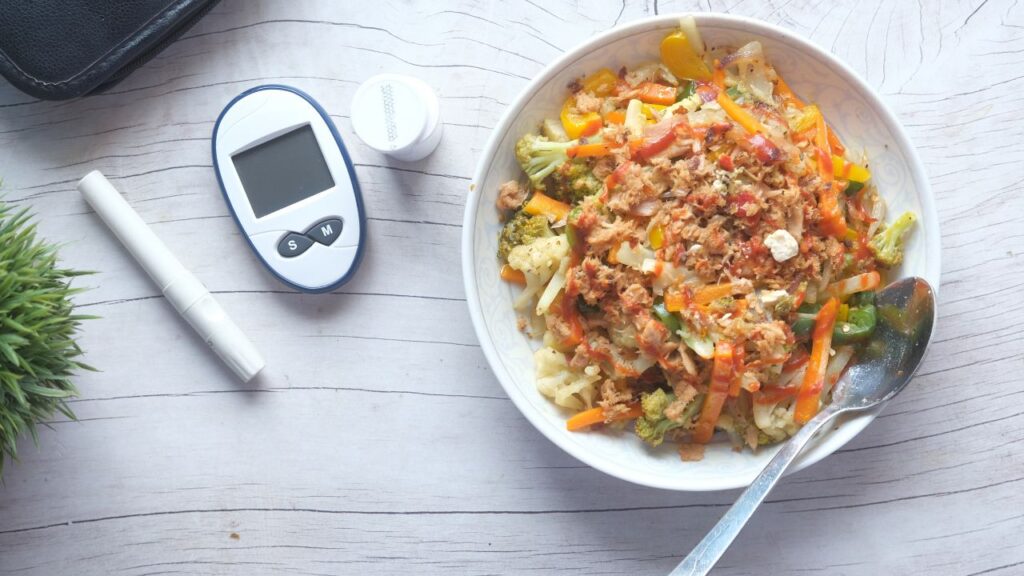
Managing diabetes doesn’t mean you have to give up eating delicious and nutritious food. In fact, the right food choices can actually help you stabilize your blood sugar levels and improve your overall health 💚
But here’s the truth many people don’t realize:
👉 Not all vegetables are equally safe for diabetics.
While vegetables are generally considered healthy, some can raise blood sugar levels quickly, especially when eaten in large amounts. On the other hand, there are vegetables that can support insulin function, improve digestion, and keep your glucose levels stable.
Unfortunately, many people make common mistakes during something as simple as eating a salad 🥗 — and these mistakes can silently affect diabetes control.
In this detailed guide, you’ll learn:
✔️ The best vegetables for diabetes
✔️ Vegetables you should eat in moderation
✔️ Common mistakes to avoid
✔️ Simple tips for better blood sugar control
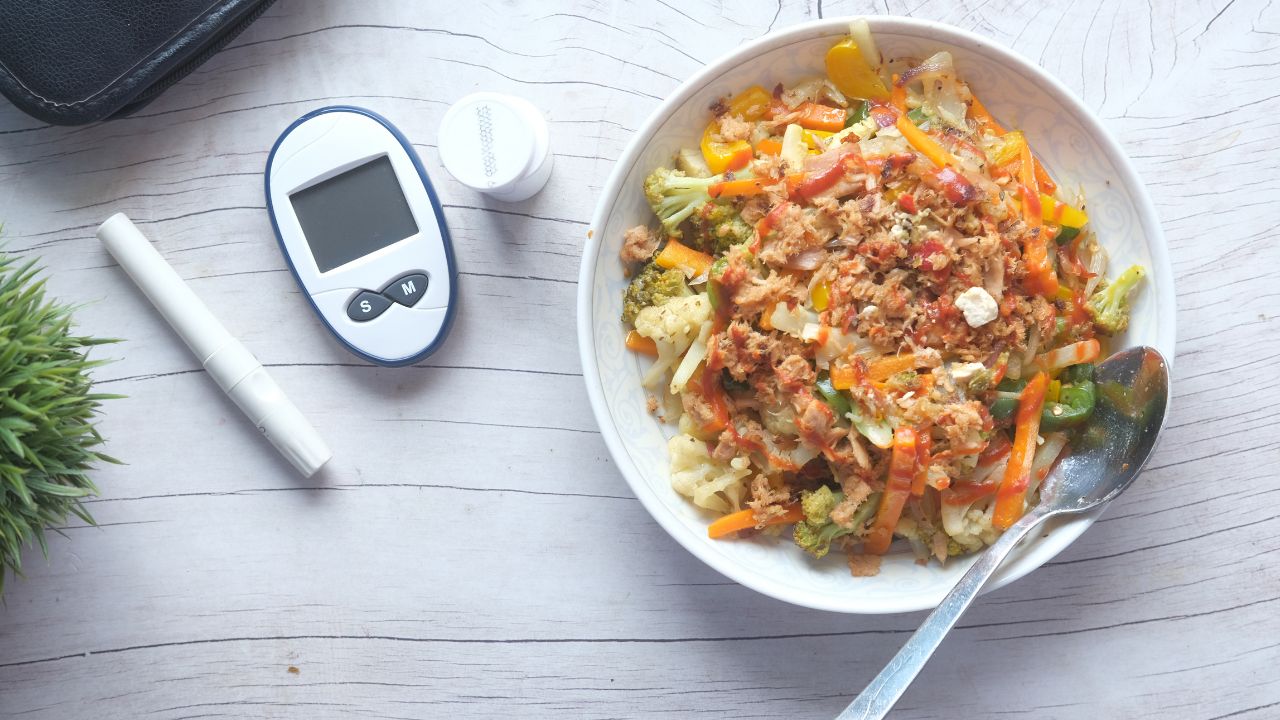
🧠 Understanding How Vegetables Affect Blood Sugar
Before we jump into the list, it’s important to understand one key concept:
👉 Net Carbs = Total Carbohydrates – Fiber
Fiber is extremely important because it slows down sugar absorption, helps you feel full, and supports digestion.
That’s why two vegetables with the same carbohydrate content can have very different effects on your blood sugar.
✔️ High fiber = Better blood sugar control
❗ Low fiber + high carbs = Possible sugar spike
✅ 9 Best Vegetables for Diabetes Control
These vegetables are excellent choices because they are low in calories, rich in nutrients, and high in fiber 🌿
🥒 1. Cucumber – Light, Hydrating, and Blood Sugar Friendly
Cucumber is one of the best vegetables you can include in your diet. It is mostly made up of water, which helps keep you hydrated.
But it’s not just water — cucumber also contains fiber that supports digestion and helps regulate blood sugar.
✔️ Very low glycemic index
✔️ Helps you feel full
✔️ Supports gut health
👉 Perfect for salads and daily consumption.
🥕 2. Carrots – Don’t Believe the Myths
Carrots are often wrongly labeled as “bad” for diabetics — but that’s not true.
They are packed with:
- Beta-carotene
- Vitamin A
- Vitamin C
The confusion comes from misunderstanding carbohydrates. Yes, carrots contain carbs — but they also contain fiber, which reduces their impact.
👉 When eaten in moderation, carrots are completely safe and beneficial.
🍅 3. Tomatoes – Small but Powerful
Tomatoes are an excellent addition to any diabetic-friendly diet.
✔️ Low glycemic load
✔️ Rich in antioxidants like lycopene
✔️ Supports heart and prostate health
They also help reduce inflammation and are extremely versatile.
🧅 4. Onions – Simple Yet Effective
Onions are often overlooked, but they are highly beneficial.
✔️ Improve digestion
✔️ Provide fiber
✔️ Add flavor without extra calories
They can easily be added to salads, soups, or cooked meals.
🥬 5. Dark Leafy Greens – The Ultimate Superfood
Leafy greens like spinach, lettuce, and arugula are among the best foods for diabetics 🌱
These vegetables:
✔️ Improve insulin sensitivity
✔️ Support pancreas function
✔️ Are extremely low in calories
👉 They also contain important minerals like magnesium, which plays a role in blood sugar control.
🍆 6. Eggplant – Great for Heart and Sugar Control
Eggplant is unique because it supports both blood sugar and cholesterol levels.
✔️ High in fiber
✔️ Helps reduce bad cholesterol (LDL)
✔️ Supports heart health
👉 Always choose whole eggplant instead of supplements.
🌶️ 7. Radish – A Hidden Gem
Radish may not be everyone’s favorite, but it offers real benefits.
✔️ Low in carbs
✔️ Supports digestion
✔️ Helps regulate blood sugar
👉 If you enjoy it, it’s definitely worth adding to your diet.
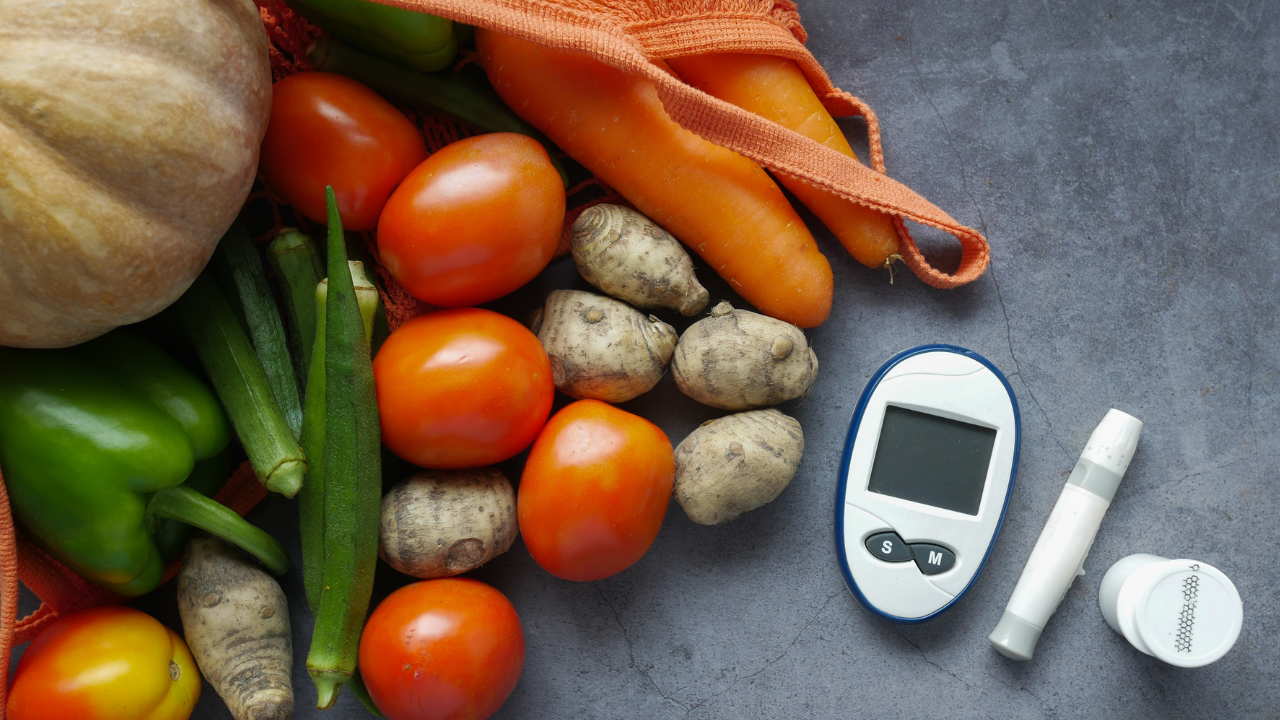
🥦 8. Broccoli – One of the Healthiest Vegetables
Broccoli is a powerhouse of nutrition.
✔️ Rich in antioxidants
✔️ Contains Vitamin K
✔️ Supports immune health
There are myths about broccoli and thyroid issues, but in normal amounts, it is completely safe.
🥦 9. Cauliflower – Low Carb and Filling
Cauliflower is another excellent option for diabetics.
✔️ Low in carbohydrates
✔️ High in fiber
✔️ Keeps you full for longer
👉 It can even be used as a low-carb substitute for rice or potatoes.
⚠️ 5 Vegetables You Should Eat in Moderation
These vegetables are not “bad,” but they require portion control ⚖️
🥔 1. Potatoes – High in Carbs
Potatoes contain a higher amount of carbohydrates compared to most vegetables.
❗ Can raise blood sugar quickly
👉 Best to limit quantity
🌽 2. Corn – Easy to Overeat
Corn is rich in starch, which can affect glucose levels.
❗ Often consumed in large amounts
👉 Keep portions small
🟢 3. Peas – Not as Innocent as They Seem
Peas don’t taste sweet, but they contain more carbohydrates than expected.
❗ Can impact blood sugar
👉 Eat in moderation
🍠 4. Yam & Cassava – Energy-Dense Foods
These vegetables are high in natural sugars and starch.
❗ Can spike blood sugar
👉 Avoid large servings
❤️ 5. Beetroot – Healthy but Sweet
Beetroot has many health benefits, especially for blood pressure.
✔️ Supports heart health
❗ Contains more sugar than leafy vegetables
👉 Portion control is key.
🚫 Common Mistakes Diabetics Make with Vegetables
Even healthy foods can become harmful if used incorrectly.
Here are some common mistakes:
❌ Assuming all vegetables are safe
❌ Ignoring portion sizes
❌ Eating too many starchy vegetables
❌ Not balancing meals with fiber
❌ Following misleading online advice
💡 Practical Tips for Better Blood Sugar Control
Here are some simple habits that can make a big difference:
✔️ Always include fiber-rich vegetables in meals
✔️ Combine is carbs with protein and healthy bad fats
✔️ Avoid large portions of high-starch vegetables
✔️ Eat slowly and mindfully
✔️ Stay consistent with healthy eating
🌟 Final Thoughts
Having diabetes doesn’t mean you need to restrict yourself completely. You can still enjoy a wide variety of foods — including vegetables — as long as you make informed choices 😊
The goal is not to eliminate foods but to balance them wisely.
👉 Focus on:
✔️ Low glycemic, high-fiber vegetables
✔️ Balanced meals
✔️ Portion control
👉 Be mindful of:
⚠️ High-carb, starchy vegetables