Struggling to lose body fat and keep it off is one of the most common challenges people face today. Many try crash diets, extreme restrictions, or quick-fix solutions seen online — but these rarely lead to long-term success. Instead, sustainable fat loss requires a structured, science-based approach focused on nutrition, training, recovery, and consistency. 💡
This article breaks down a real coaching transformation journey of an average woman who successfully changed her body composition through a methodical system — not shortcuts.
🧭 The Problem with Modern Dieting
Most traditional diets fail for one simple reason: they are not sustainable.
Many popular programs:
- Severely cut calories too low
- Ignore metabolic adaptation
- Focus on fast weight loss instead of fat loss
- Lead to rebound weight gain
📌 While someone may lose 10–20 lbs quickly, the majority regain it once they return to normal eating habits.
This cycle creates frustration, burnout, and a feeling of “nothing works for me.”
🏁 Starting Point: Real-Life Client Scenario
The client in this case study was a 53-year-old woman, 5 feet tall, weighing approximately 138 lbs at the beginning of her journey.
Like many individuals, she:
- Tried multiple diets before
- Trained inconsistently
- Struggled to lose body fat despite effort
- Was already on hormone replacement therapy (HRT)
However, her body composition did not improve significantly until structured coaching began.
🔄 Phase 1: Priming Phase (Metabolic Reset) 🧠
The first step was not fat loss — it was metabolic preparation.
Instead of immediately cutting calories, the focus was:
- Establishing maintenance-level calories
- Improving metabolic function
- Creating training consistency
- Recovering from previous stress and lifestyle imbalance
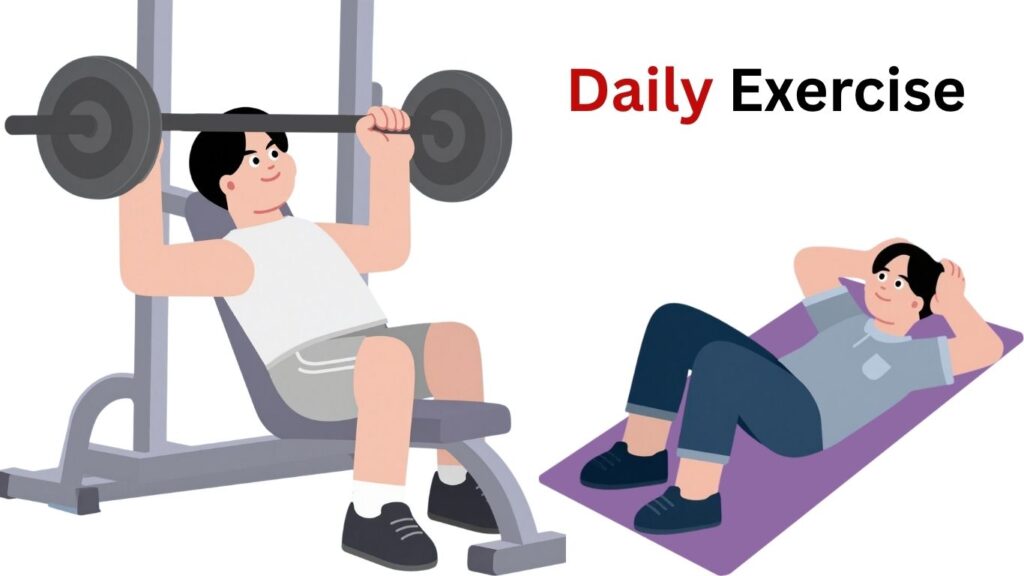
🏋️♀️ She followed a 4-day training split, avoiding excessive gym volume.
📌 Important principle:
Starting too low in calories often slows metabolism and limits long-term fat loss potential.
This phase lasted longer due to a minor medical procedure, allowing proper recovery and adaptation.
🔥 Phase 2: Fat Loss Phase (Structured Cutting Period)
After establishing a stable foundation, the fat loss phase began.
Duration: Approximately 16 weeks (July–October)
Key focus areas:
- Controlled calorie deficit
- High-protein structured nutrition
- Progressive weight training
- Consistency over perfection
📉 Result:
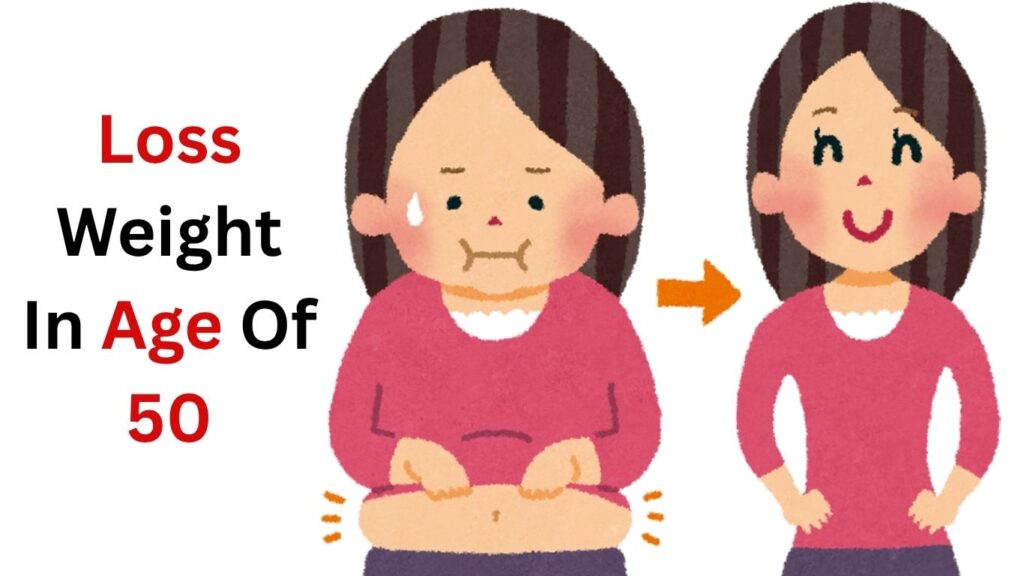
- Weight reduced from 138 lbs → 110 lbs
- Significant reduction in body fat
- Noticeable improvement in muscle definition
📌 Important insight:
Fat loss was not rushed — it was controlled, sustainable, and monitored weekly.
⚠️ Why Most People Fail After Dieting
Most individuals make a critical mistake after reaching their goal:
- They stop tracking progress
- They return to old eating habits
- They remove structure too quickly
- They fear eating more food
This leads to rapid fat regain — often called “rebound weight gain.”
🔁 Phase 3: Reverse Diet (The Missing Link) 🍽️
One of the most important but overlooked phases is the reverse diet.
Instead of continuing restriction, the strategy shifts to:
- Gradually increasing calories
- Reducing cardio volume
- Stabilizing metabolism
- Finding maintenance balance
During this phase:
- Calories increased to 1800–2000+ range
- Weekly “refeed” meals were introduced
- Cardio was reduced strategically
- Training remained consistent (4 days/week)
💡 Result:
Instead of regaining fat, her body continued to improve in shape and tightness.
📊 Phase 4: Maintenance & Build Phase
After stabilization, the focus shifted to maintenance and gradual muscle building.
Current lifestyle includes:
- ~2100 calories per day 🍽️
- Minimal cardio
- Strength training 4 days per week
- Flexible refeed meals once a week
Interestingly, even with increased calories, her physique continued to improve due to:
- Improved metabolic efficiency
- Lean body composition
- Structured training adaptation
🧬 Important Clarification: Hormone Therapy Myth
There is a growing misconception online that hormone replacement therapy (HRT) is responsible for fat loss.
However, in this case study:
- HRT was already being used before transformation
- No significant physique change occurred from HRT alone
- Fat loss occurred due to structured coaching, nutrition, and training
📌 Key takeaway:
Hormones alone do not replace proper nutrition and progressive training.
📈 Transformation Summary
Over approximately one year, the client experienced:
- Structured metabolic priming 🧠
- Sustainable fat loss phase 🔥
- Reverse dieting phase 🍽️
- Transition into maintenance/build phase 🏋️♀️
Final outcome:
- Leaner physique
- Improved muscle definition
- Higher calorie intake with better body composition
- Sustainable lifestyle habits
💡 Key Lessons from This Transformation
✔ Crash dieting is not sustainable
✔ Metabolic preparation matters
✔ Fat loss should be structured, not rushed
✔ Reverse dieting is essential for maintenance
✔ Consistency beats extreme effort
✔ Long-term success requires system-based coaching.
🧠 Why Most People Fail at Fat Loss (Deep Insight)
Fat loss failure ka main reason motivation nahi hota — system ka na hona hota hai.
Zyada tar log:
- Emotionally diet start karte hain 😣
- Short-term results chahte hain
- Consistency lose kar dete hain
- Data track nahi karte
📌 Reality:
Body fat loss ek “project” hai, emotional decision nahi.
⚖️ The Science Behind Sustainable Fat Loss
Sustainable fat loss 3 pillars par depend karta hai:
🍽️ 1. Energy Balance
Aap ka body fat tab reduce hota hai jab:
- Calories controlled deficit mein hon
- Extreme restriction na ho
🏋️♀️ 2. Progressive Training
Muscle loss avoid karne ke liye:
- Weight training zaroori hai
- Progressive overload important hai
😴 3. Recovery & Hormonal Balance
- Proper sleep
- Stress management
- Recovery phases
📌 Jab ye 3 cheezen align hoti hain, tab body fat naturally reduce hota hai.
🔄 What Makes Reverse Dieting So Powerful
Reverse dieting sirf “more food eat karna” nahi hota.
Iska real purpose hai:
- Metabolism restore karna
- Hormonal balance normalize karna
- Energy levels improve karna
- Fat regain prevent karna
💡 Interesting fact:
Proper reverse dieting ke baad body often aur lean look karti hai, even at higher calories.
🚨 Common Mistakes People Make After Fat Loss
Fat loss ke baad sab se dangerous phase hota hai maintenance.
Log aksar ye mistakes karte hain:
❌ Tracking stop kar dete hain
❌ “Cheat days” uncontrolled ho jate hain
❌ Gym routine break ho jata hai
❌ Calories abruptly increase kar dete hain
📌 Result:
Weight regain + frustration + “diet doesn’t work” mindset
🏆 What This Case Study Teaches Us
Is transformation se 5 powerful lessons milte hain:
✔ Fat loss slow but structured hona chahiye
✔ Maintenance phase equally important hota hai
✔ Reverse dieting long-term success ka key hai
✔ Training consistency fat loss se zyada important hai
✔ Hormones alone body change nahi karte
💬 Realistic Expectation for Readers
Agar aap fat loss journey start kar rahe ho, to yaad rakhein:
- 7–14 din mein transformation possible nahi ❌
- 3–6 months minimum meaningful change ke liye chahiye
- Lifestyle change hi permanent result deta hai
📌 Best mindset:
“Fast results” nahi — “forever results”
📊 Final Takeaway (Very Important Section)
This case study proves that:
👉 Fat loss is not about starving
👉 It is about structuring your body system
👉 Each phase has a purpose
👉 Maintenance is as important as dieting
💡 Long-term success = Planning + Patience + Consistency
🚀 Bonus SEO Tip (Important for Ranking)
Agar aap is article ko blog par upload kar rahe ho to:
- Focus keyword: “sustainable fat loss journey”
- Internal links add karein (fitness / diet posts)
- 1–2 images with alt text use karein
- Paragraphs short rakhein (2–4 lines max)