Living with type 2 diabetes can feel overwhelming at first. One day you’re going about your routine, and then a routine check-up changes everything with unexpected lab results. Yet millions of people navigate this condition successfully every single day, often feeling healthier and more energized than before their diagnosis. In 2026, with rising awareness and better tools, managing type 2 diabetes is more achievable than ever.
This isn’t just another list of dos and don’ts. Drawing from years of clinical insights, patient stories, and the latest research, this guide offers a complete picture of what really works. Whether you’re newly diagnosed, supporting a loved one, or simply concerned about your risk, you’ll find actionable steps grounded in real-world experience.
Understanding Type 2 Diabetes: The Basics Most People Miss
Type 2 diabetes develops when your body either doesn’t produce enough insulin or becomes resistant to it, leading to higher blood sugar levels over time. Unlike type 1, where the immune system attacks insulin-producing cells, type 2 is closely tied to lifestyle, genetics, and environmental factors.
Insulin acts like a key that unlocks your cells to let glucose in for energy. When resistance builds—often from excess visceral fat around organs or chronic inflammation—the pancreas works overtime. Eventually, it can’t keep up, and blood sugar climbs.
Why it matters in 2026: Global numbers show about 589 million adults living with diabetes, with type 2 making up over 90% of cases. Projections suggest it could reach 853 million by 2050 if trends continue. In the US alone, over 40 million people are affected, and many more have prediabetes.
The good news? It’s often preventable or manageable. Early action can dramatically reduce complications like heart disease, kidney issues, nerve damage, and vision problems.

Recognizing the Signs: Don’t Ignore These Subtle Warnings
Many people live with type 2 diabetes for years without obvious symptoms, which is why regular screening is crucial, especially after age 45 or with risk factors.
Common signs include increased thirst and frequent urination, unexplained fatigue, blurred vision, slow-healing cuts, tingling in hands or feet, and recurrent infections. Some notice darker skin patches (acanthosis nigricans) around the neck or armpits.
H3: When to See a Doctor
If you experience these alongside family history, excess weight, or sedentary lifestyle, get checked. A simple A1C test, fasting blood sugar, or oral glucose tolerance test can confirm it. Prediabetes (A1C 5.7–6.4%) is a warning sign you can often reverse with changes.
Real patient insight: “I thought I was just tired from work,” shares Maria, a 52-year-old teacher. “Turns out my blood sugar was creeping up for years. Catching it early changed my trajectory.”
Key Risk Factors: Genetics, Lifestyle, and Modern Life
You can’t change your genes, but understanding risks empowers better choices. Family history increases odds, as do age, ethnicity (higher in certain populations), and conditions like PCOS or previous gestational diabetes.
Lifestyle plays a huge role: carrying extra weight (especially abdominal), poor diet high in processed foods, lack of movement, chronic stress, and poor sleep. Even environmental factors like air pollution or disrupted circadian rhythms from shift work contribute.
In 2026, we’re seeing more cases in younger adults due to rising obesity and screen time reducing activity. But this also means prevention programs are scaling up effectively.
Why Diet Matters More Than You Think for Blood Sugar Control
Food isn’t the enemy—it’s your ally. Focus on balanced plates with plenty of non-starchy vegetables, lean proteins, healthy fats, and fiber-rich whole grains. The plate method works well: half veggies, quarter protein, quarter complex carbs.
Limit sugary drinks, refined carbs, and ultra-processed foods. They cause rapid spikes. Instead, choose foods with a lower glycemic load.
Practical Tips:
- Eat consistently timed meals to stabilize levels.
- Include protein and fat with carbs to slow absorption.
- Experiment with Mediterranean or low-carb approaches under guidance—both show strong results.
Why it matters: Small swaps, like berries instead of sugary cereal or olive oil over butter, add up. Track how your body responds; everyone’s a bit different.
Exercise as Medicine: Movement That Lowers Blood Sugar Naturally
Physical activity improves insulin sensitivity almost immediately. Aim for at least 150 minutes of moderate activity weekly, like brisk walking, plus strength training twice a week.
H3: Getting Started Safely
Start where you are. A 10-minute walk after meals can blunt glucose spikes. Mix cardio, resistance, and flexibility. Activities like swimming or yoga are joint-friendly.
Real-world example: John, a busy professional, incorporated desk stretches and evening bike rides. His A1C dropped significantly within months, and he had more energy.
Combine with weight management—losing even 5-7% of body weight can make a big difference for many.

Medical Treatments: From Metformin to 2026 Breakthroughs
Lifestyle comes first, but medications help when needed. Metformin remains a common starting point. Newer options like GLP-1 receptor agonists (e.g., semaglutide) aid weight loss and heart health. SGLT2 inhibitors protect kidneys and heart.
In 2026, exciting advances include once-weekly insulins, triple agonists like retatrutide for superior glucose and weight control, and oral GLP-1 options making treatment easier.
Always work with your healthcare team for personalized plans. Technology like continuous glucose monitors (CGMs) gives real-time data, empowering better daily decisions.
Preventing Complications: Protecting Your Heart, Eyes, Kidneys, and More
High blood sugar damages blood vessels and nerves over time. Heart disease risk is 2-4 times higher. Regular screenings for eyes (retinopathy), feet, kidneys, and cholesterol/blood pressure are non-negotiable.
Why it matters: Good control reduces these risks dramatically. Quit smoking, manage stress, and stay on top of vaccines and check-ups.
Mental Health, Sleep, and Stress: The Often-Overlooked Pieces
Living with a chronic condition brings emotional load—anxiety, depression, or diabetes distress is common. Prioritize sleep (7-9 hours), mindfulness, or therapy. Stress hormones raise blood sugar, so finding calm matters.
Join support groups or use apps for community. You’re not alone.
Monitoring Your Progress: Tools and Habits for Success
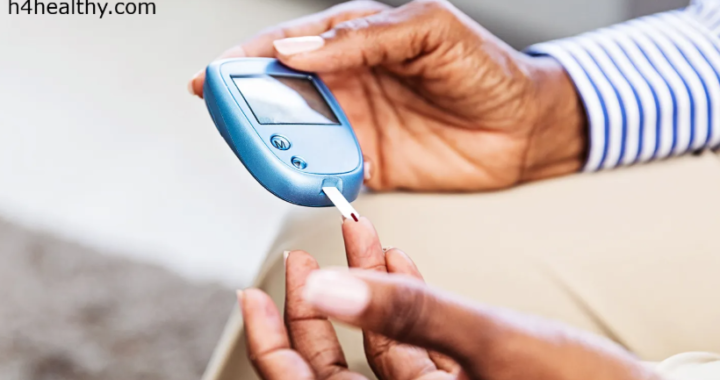
Home blood sugar monitoring or CGM, regular A1C tests, and tracking trends help. Log food, activity, and moods to spot patterns.
Quick Information Table
| Aspect | Details |
|---|---|
| Topic | Type 2 Diabetes |
| Category | Chronic Health Conditions |
| Search Trend | High and rising in 2026 due to prevalence and new treatments |
| Main Focus | Management, prevention of complications, lifestyle integration |
| User Intent | Informational + Transactional (how to manage/improve health) |
| SEO Importance | Evergreen with high volume; supports topical authority in health |
| Best For | Adults 40+, at-risk individuals, newly diagnosed, caregivers |
| Industry Trend | Shift to personalized, tech-enabled, multi-benefit therapies (weight, heart, kidney) |
Frequently Asked Questions
Can type 2 diabetes be reversed or cured? It can’t be cured, but many achieve remission through significant lifestyle changes, meaning normal blood sugar without medication. Maintenance is key.
What foods should I avoid completely? No food is completely off-limits, but minimize sugary drinks, excessive sweets, and highly processed items. Focus on moderation and balance.
Is exercise safe if I have type 2 diabetes? Yes, and highly recommended. Check with your doctor first, especially if complications exist. Start slowly and monitor levels.
How often should I check my blood sugar? It depends on your treatment and control. Many use CGMs for convenience. Follow your doctor’s advice.
Does family history mean I’ll definitely get it? No, but it raises risk. Healthy habits can offset genetic predisposition significantly.
Are new medications in 2026 worth discussing with my doctor? Many offer better outcomes with fewer side effects. Have an open conversation about options suited to your health profile.
Can stress really affect my blood sugar? Absolutely. Chronic stress elevates levels. Techniques like breathing exercises or hobbies help.
What about supplements or alternative therapies? Some like chromium or cinnamon have limited evidence. Always prioritize proven strategies and consult professionals before adding anything.