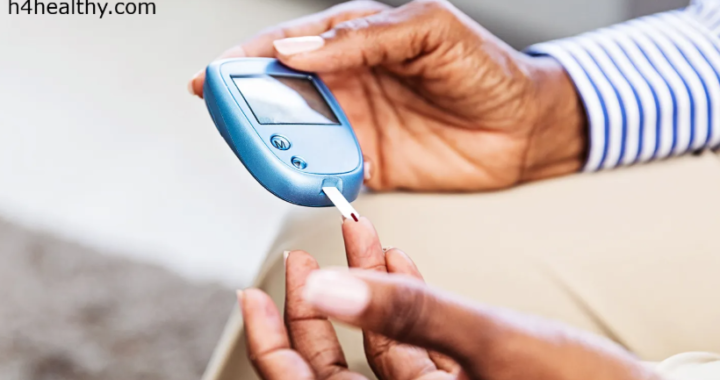
Why Your “Healthy” Diet May Still Be Raising Blood Sugar
Many people with diabetes believe they are eating healthy, yet their blood sugar numbers continue climbing. They choose whole wheat bread, brown rice, fruit juice, and low-fat foods because they were told these were healthier options.
But what if some of this advice is outdated?
The reality is that nutrition science has evolved dramatically over the last decade. Researchers now understand that blood sugar control depends on much more than simply avoiding sugar.
In fact, the way you combine foods, the timing of your meals, and even the order in which you eat can significantly affect glucose levels.
The good news is that small, strategic changes can improve blood sugar naturally — often within days.
In this article, we will explore seven powerful dietary habits that may help stabilize blood glucose, improve insulin sensitivity, and support better long-term metabolic health. 🌿
Why Traditional Diabetes Advice Often Fails
For years, many people with type 2 diabetes were told to:
- Eat low-fat foods
- Choose whole wheat products
- Snack frequently
- Drink fruit juice for vitamins
- Focus mainly on calorie reduction
While some of these ideas contain partial truth, modern research shows they may not work well for everyone — especially adults over 45.
Blood sugar control is far more complex than simply avoiding candy or desserts.
Your body responds differently based on:
- Meal timing
- Fiber content
- Food combinations
- Insulin sensitivity
- Gut health
- Muscle mass
- Sleep quality
That is why many people feel frustrated when they “eat healthy” but still experience poor glucose control.
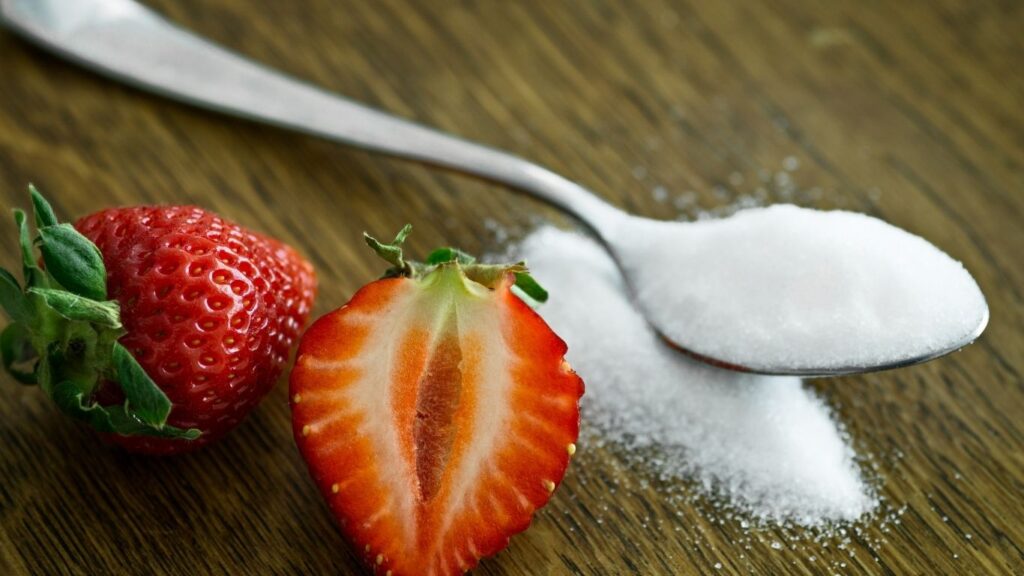
1. Change the Order of Your Food 🍴
One of the simplest but most effective strategies is changing the order in which you eat your meal.
Research suggests that eating:
✅ Vegetables and protein first
✅ Carbohydrates last
can significantly reduce blood sugar spikes after meals.
For example, instead of eating bread or rice first, begin with:
- Salad
- Vegetables
- Chicken
- Fish
- Eggs
- Protein-rich foods
Then eat carbohydrates afterward.
This slows glucose absorption and helps your body manage blood sugar more efficiently.
Why Food Order Matters
When carbohydrates enter the bloodstream too quickly, blood glucose rises sharply.
However, protein, fiber, and fats slow digestion.
This creates:
- Smaller glucose spikes
- Better energy levels
- Improved insulin response
- Reduced cravings
The amazing part is that you do not necessarily need different foods — sometimes simply changing the order makes a noticeable difference.
2. Improve Gut Health with Fermented Foods 🦠
Your digestive system contains trillions of bacteria known as the gut microbiome.
Research are increasingly to shows that a gut health that’s plays a major role in:
- Insulin sensitivity
- Inflammation
- Metabolism
- Blood sugar regulation
In many people with type 2 diabetes, harmful bacteria begin dominating the gut environment.
This imbalance may worsen insulin resistance.
Best Fermented Foods for Blood Sugar Support
Adding fermented foods daily may help improve gut bacteria naturally.
Good options include:
- Plain yogurt
- Unsweetened kefir
- Sauerkraut
- Kimchi
- Fermented vegetables
These foods contain beneficial probiotics that support digestion and metabolic health.
Even small servings consistently can positively affect gut balance over time.

3. Stop Eating Late at Night 🌙
One of the biggest hidden causes of high fasting blood sugar is late-night eating.
Many people snack after dinner without realizing how strongly this affects overnight glucose control.
The body naturally becomes less insulin-sensitive during nighttime hours.
This means carbohydrates or sugary snacks eaten late in the evening are more likely to:
- Raise fasting glucose
- Increase fat storage
- Disrupt insulin function
A Simple Rule for Better Blood Sugar
Try to stop eating:
At least 2–3 hours before bedtime
This gives the body time to process food before sleep.
Many people notice improved fasting glucose numbers within just a few weeks after reducing nighttime snacking.
4. “Healthy” Whole Wheat Foods May Still Spike Blood Sugar 🍞
This surprises many people.
Foods marketed as diabetic-friendly — such as:
- Whole wheat bread
- Multigrain crackers
- Brown rice
can still raise blood sugar significantly.
Why?
Because your body ultimately responds to how quickly carbohydrates break down into glucose.
Even whole grain products may digest rapidly in adults with insulin resistance.
Better Low-Glycemic Alternatives
Instead of relying heavily on processed wheat products, try:
✅ Lentils
✅ Chickpeas
✅ Beans
✅ Sweet potatoes
✅ Quinoa
✅ Non-starchy vegetables
These foods usually digest more slowly and support steadier blood sugar levels.
5. Whole Fruit Is Better Than Fruit Juice 🍊
Fruit contains natural sugar, but whole fruit also provides fiber.
Fiber slows sugar absorption and helps prevent sudden glucose spikes.
The problem occurs when fruit is juiced or blended excessively.
Fruit juice removes much of the fiber, allowing sugar to enter the bloodstream rapidly.
Even homemade smoothies can become problematic if they contain large amounts of fruit without protein or healthy fats.
Better Ways to Eat Fruit
Choose:
✅ Whole apples
✅ Whole berries
✅ Whole oranges
✅ Pears
✅ Peaches
Instead of:
❌ Fruit juice
❌ Sweetened smoothies
❌ Concentrated fruit drinks
Pair fruit with protein or healthy fat for even better glucose control.
Examples:
- Apple with nuts
- Berries with Greek yogurt
- Pear with cheese
 6. Healthy Fats Can Help Stabilize Blood Sugar 🥑
For many years, people with diabetes were encouraged to avoid fat completely.
Today, experts recognize that healthy fats can actually improve blood sugar management when eaten in moderation.
Healthy fats slow digestion and help reduce rapid glucose spikes after meals.
Best Healthy Fats for Diabetes Support
Excellent options include:
- Avocados
- Olive oil
- Walnuts
- Almonds
- Chia seeds
- Fatty fish
These foods help improve fullness and stabilize energy levels throughout the day.
However, portion control still matters because healthy fats are calorie-dense.
7. Try Time-Restricted Eating ⏰
One of the most effective modern nutrition strategies is:
Time-restricted eating
This does not mean starving yourself.
It simply means keeping all meals within a consistent daily eating window — usually around 8 to 10 hours.
For example:
- First meal: 8 AM
- Last meal: 6 PM
Nothing afterward except water or non-caloric drinks.
Why Time-Restricted Eating Works
Giving the body a longer overnight break from digestion may help:
- Improve insulin sensitivity
- Lower fasting blood sugar
- Reduce inflammation
- Support fat burning
- Improve metabolic flexibility
Many people see improvements without drastically changing the foods they eat.
Consistency matters more than perfection.
A Simple Diabetes-Friendly Daily Routine 🌿
Here is an example of how these strategies can work together:
Morning
Drink water after waking up.
Breakfast
Eat eggs and vegetables before carbohydrates.
Lunch
Include protein, salad, healthy fat, and fiber-rich carbs.
Snack
Choose whole fruit with nuts or yogurt.
Dinner
Finish eating early with balanced protein and vegetables.
Evening
Avoid late-night snacking.
Simple changes repeated consistently often create powerful long-term results.
Small Changes Create Big Improvements
Many people think blood sugar control requires:
- Extreme dieting
- Starvation
- Expensive supplements
- Completely eliminating carbohydrates
But in reality, small adjustments can produce meaningful improvements.
Better meal timing, balanced food combinations, and stable glucose patterns often matter more than strict dieting.