Staying active does not always require intense workouts or heavy gym equipment. Sometimes, the most powerful transformation begins with gentle movement, patience, and consistency. Whether you are a beginner starting your wellness journey, recovering after surgery or injury, or simply looking for safe exercises for older adults, a light full-body routine can greatly improve your strength, flexibility, and confidence.
In today’s fast-moving world, many people ignore their physical health until pain, stiffness, or low energy starts affecting daily life. The good news is that even simple stretching and low-impact exercises can help your body heal, move better, and feel stronger naturally.
This beginner-friendly wellness routine is designed to improve mobility, increase blood circulation, support joint health, and gently strengthen muscles without putting too much pressure on the body. 🌿
Why Gentle Exercise Is Important
Many people believe workouts must be difficult to be effective. In reality, gentle exercise offers incredible benefits for both physical and mental health.
Low-impact workouts can help:
- Improve flexibility and mobility
- Increase blood circulation
- Reduce stiffness in joints
- Strengthen muscles safely
- Support recovery after injury
- Improve balance and coordination
- Boost mood and mental wellness
- Increase daily energy levels
For seniors and people recovering from injuries, these exercises can make everyday activities much easier and more comfortable.
Believe in Your Strength 🌟
Before beginning any fitness journey, mindset matters.
Life often brings challenges, setbacks, injuries, stress, or moments where progress feels slow. But your body and mind are far stronger than you realize. Recovery and improvement take time, patience, and consistency.
Every small movement matters.
Even if you can only exercise for a few minutes today, that is still progress. What matters most is continuing to move forward step by step.
1. Neck Stretch Exercises
We begin with gentle neck stretches to release tension and improve flexibility.
Side-to-Side Neck Stretch
Slowly move your neck from one side to the other.
- Move gently
- Avoid sudden motions
- Keep breathing slowly
This exercise helps reduce neck stiffness caused by long sitting hours, poor posture, or stress.
Up-and-Down Neck Movement
Now slowly move your head upward and downward.
This simple stretch improves neck mobility and helps relax tight muscles around the shoulders and upper back.
👉 Tip: Always monitor your breathing while stretching.
2. Arm & Shoulder Stretching Routine 💪
Shoulders often become tight due to stress, desk work, or lack of movement. Gentle shoulder exercises can improve flexibility and posture.
Arm Stretch
Stretch one arm across your chest and hold gently.
Then switch to the opposite side.
Benefits include:
- Better shoulder mobility
- Reduced tension
- Improved flexibility
Chest Opening Stretch
Open your arms wide and gently stretch your chest.
This movement helps improve posture and opens tight chest muscles caused by sitting for long periods.
Shoulder Rotations
Rotate your shoulders slowly in circular motions.
Do both directions:
- Forward rotations
- Backward rotations
This improves shoulder joint mobility and increases blood circulation.
3. Wrist & Upper Body Mobility Exercises
Interlock your fingers and gently rotate your wrists and upper body.
These movements help:
- Improve wrist flexibility
- Reduce stiffness
- Support hand mobility
- Relax upper-body muscles
This is especially useful for older adults and people who spend long hours using computers or phones.
4. Waist & Hip Rotation Exercises
Hip mobility is extremely important for balance, walking, and daily movement.
Waist Rotations
Rotate your waist slowly while moving your hips naturally.
Avoid rotating only your legs. Focus on controlled hip movement.
Benefits include:
- Better lower-body flexibility
- Improved balance
- Increased core mobility
- Reduced lower-back stiffness
Gentle hip exercises are excellent for seniors and beginners because they improve movement without stressing the joints.
5. Shoulder Strengthening Exercises 🏋️♂️
After stretching, light strengthening exercises help activate muscles safely.
Shoulder Raises
Lift your arms slowly upward and lower them back down.
This exercise strengthens:
- Shoulder muscles
- Upper arms
- Posture-supporting muscles
Start with a few repetitions and increase gradually over time.
Front Shoulder Raises
Raise your arms forward slowly.
This movement improves shoulder endurance and mobility.
6. Bicep & Tricep Exercises
Strong arms make everyday tasks easier, including lifting objects, opening doors, and maintaining independence as we age.
Bicep Activation
Perform light arm curls slowly.
You can imagine holding small dumbbells or use light weights if comfortable.
Tricep Extensions
Lift your arms overhead and gently extend them.
This strengthens the back of the arms while improving coordination.
Remember:
- Move slowly
- Never rush
- Focus on proper breathing
7. Balance & Oblique Strengthening
Balance exercises are very important, especially for seniors and rehabilitation patients.
Side Leg Raises
Hold onto a wall or stable surface for support.
Lift one leg slowly to the side.
Benefits include:
- Improved balance
- Stronger hips
- Better core stability
- Reduced fall risk
If comfortable, try balancing without support for extra challenge.
8. Lower Back Strengthening Exercises
A weak lower back can affect posture, walking, and overall movement.
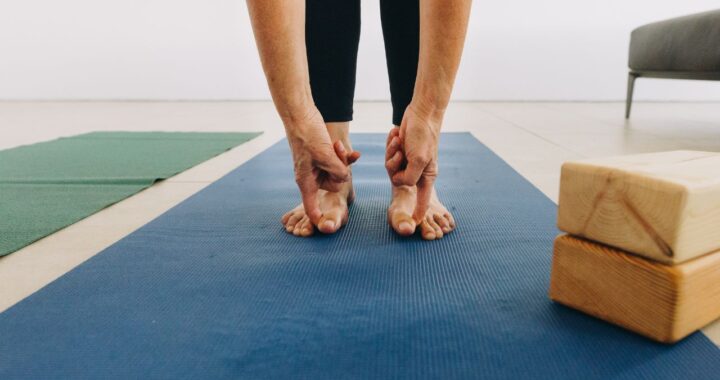
Gentle Forward Bend Exercise
Slowly bend forward and return to standing position carefully.
⚠️ Important:
- Do not stand too quickly
- Avoid sudden movement
- Breathe normally
This movement gently strengthens the lower back and improves flexibility.
9. Quad Stretch for Leg Flexibility 🦵
Quadriceps are important muscles located at the front of the thighs.
Standing Quad Stretch
Hold a wall or chair for balance.
Grab your ankle gently and stretch your leg backward.
Benefits:
- Better leg flexibility
- Reduced stiffness
- Improved mobility
Stretch slowly and avoid pulling too hard.
10. Lat Stretch for Upper Back Mobility
The lat muscles support posture, shoulder movement, and back strength.
Full Arm Extension Stretch
Bend slightly forward while extending your arms.
Stretch gently and feel the muscles around your upper back and sides.
If standing feels difficult, use a chair for support and stretch one arm at a time.
This helps:
- Improve posture
- Increase shoulder flexibility
- Reduce back tightness
11. Simple Squats for Beginners
Squats strengthen the legs, hips, and core muscles.
Beginner Squat Routine
Stand comfortably with feet apart.
Slowly lower your body and rise again.
Keep movements controlled and comfortable.
Benefits include:
- Stronger legs
- Better balance
- Improved mobility
- Increased lower-body strength
12. Chair Exercises for Sensitive Knees 🪑
Not everyone feels comfortable performing standing exercises.
For people with knee discomfort, chair exercises are an excellent alternative.
Seated Leg Extensions
Sit comfortably on a chair.
Lift one leg slowly and lower it back down.
Repeat on the other side.
This exercise strengthens:
- Quadriceps
- Knee-support muscles
- Leg endurance
Chair workouts are especially helpful for elderly individuals and rehabilitation patients.
13. Calf Raises for Lower Leg Strength
Strong calf muscles improve walking, stability, and circulation.
Standing Calf Raises
Hold a wall or stable surface.
Rise onto your toes slowly and lower yourself back down.
Benefits include:
- Better circulation
- Stronger calves
- Improved ankle stability
- Enhanced balance
14. Hamstring Exercises
Hamstrings are located at the back of the legs and support walking and posture.
Hamstring Lift Exercise
Lie comfortably on your stomach.
Lift your legs gently upward and lower them slowly.
This movement helps strengthen the back of the legs without excessive strain.
15. Beginner Push-Up Variations 💥
Push-ups strengthen the chest, shoulders, and arms.
However, beginners can start with modified versions.
Knee Push-Ups
Perform push-ups while keeping your knees on the floor.
This reduces pressure while still building upper-body strength.
Wall Hold Position
If push-ups feel difficult, simply hold a push-up position against a wall or elevated surface.
Even small efforts help activate muscles and build strength gradually.
16. Gentle Core & Abdominal Exercises
Core muscles support posture, balance, and spinal health.
Half Sit-Up Exercise
Lie on your back comfortably.
Lift your upper body halfway upward.
This movement strengthens the abdominal muscles while reducing stress on the lower back.
Start slowly and increase intensity over time.
The Importance of Breathing During Exercise 🌬️
One of the most overlooked parts of exercise is breathing.
Proper breathing helps:
- Improve oxygen flow
- Reduce dizziness
- Support muscle recovery
- Increase endurance
- Keep movements controlled
Never hold your breath while exercising.
Instead:
- Inhale slowly
- Exhale gently
- Stay relaxed
Tips for Safe Beginner Workouts
To stay safe and comfortable during exercise:
✅ Start slowly
✅ Stay hydrated
✅ Use support when needed
✅ Wear comfortable clothing
✅ Focus on consistency instead of speed
✅ Listen to your body
✅ Stop that if you can feel pain.
Remember, progress takes time.