This comprehensive article draws on clinical experience, current research, and real patient journeys to give you practical, trustworthy guidance. Whether you’re newly diagnosed, at risk, or supporting a family member, you’ll find clear explanations and actionable steps that prioritize your daily life and long-term well-being.
What Is Diabetes and How Does Type 2 Differ?
Diabetes is a chronic condition where the body struggles to regulate blood glucose (sugar) levels properly. There are several types, but type 2 diabetes accounts for around 90-95% of all cases in adults. In type 2, the body either doesn’t produce enough insulin or becomes resistant to its effects, causing sugar to build up in the bloodstream instead of fueling cells.
Unlike type 1 diabetes, which usually appears in childhood or young adulthood due to an autoimmune attack on insulin-producing cells, type 2 typically develops gradually over years. It’s strongly influenced by lifestyle, genetics, and environmental factors.
Why it matters in 2026: With global cases continuing to rise due to aging populations, urbanization, and dietary shifts, understanding the nuances between diabetes types helps people take targeted action early. Early intervention can prevent or delay many complications and even lead to remission in some type 2 cases.
Recognizing the Early Signs of Diabetes and Type 2 Diabetes
Many people live with elevated blood sugar for years without realizing it because symptoms can be subtle. Classic warning signs include increased thirst, frequent urination (especially at night), unexplained fatigue, blurred vision, slow-healing wounds, and tingling or numbness in the hands and feet.
Other clues might be recurring infections, unintended weight loss, or darkened skin patches in body folds. Women sometimes notice yeast infections or irregular periods, while men might experience erectile dysfunction.
H3: When Should You Get Tested?
If you’re over 45, have a family history, or carry extra weight around your middle, regular screening is wise. Simple blood tests like A1C, fasting plasma glucose, or an oral glucose tolerance test can detect prediabetes or diabetes early—when reversal is often still possible through lifestyle changes.
Real stories from patients show how catching these signs changed everything. One man in his late 40s thought his constant tiredness was just aging until tests revealed prediabetes. Simple adjustments helped him avoid full progression.
Major Risk Factors You Can and Cannot Control
Some risk factors for diabetes and type 2 diabetes are genetic—you can’t change your family history, ethnicity (higher prevalence in certain populations), or age. Conditions like polycystic ovary syndrome (PCOS) or a history of gestational diabetes also raise odds.
But many risks are modifiable: excess body weight (particularly visceral fat), physical inactivity, diets heavy in processed foods and sugary drinks, chronic stress, poor sleep, and smoking. Even environmental factors like air pollution play a role in some studies.
In 2026, we’re seeing type 2 diabetes appearing earlier in life due to rising childhood obesity rates. The encouraging part is that addressing lifestyle factors can dramatically lower your chances, even with genetic predisposition.
Why Diet Is One of the Most Powerful Tools for Blood Sugar Management
What you eat directly impacts your glucose levels. For people managing diabetes and type 2 diabetes, the goal is steady energy without big spikes or crashes. Emphasize whole foods: plenty of non-starchy vegetables, fiber-rich fruits, lean proteins, healthy fats (like avocados, nuts, and olive oil), and whole grains in moderation.
The plate method remains popular—fill half your plate with vegetables, a quarter with protein, and a quarter with complex carbohydrates. Timing meals consistently and pairing carbs with protein or fat helps stabilize levels.
Practical Daily Tips:
- Swap sugary beverages for water, herbal tea, or infused options.
- Choose foods with a lower glycemic index.
- Practice mindful portion control without feeling deprived.
- Experiment with Mediterranean-style eating, which research consistently supports for better outcomes.
Small, sustainable changes often work better than extreme diets. Track how different meals affect your energy and readings to personalize your approach.
For more ideas, see our detailed guide to balanced eating patterns.
Movement as Medicine: Exercise Strategies That Make a Difference
Regular physical activity is incredibly effective at improving insulin sensitivity and lowering blood sugar. Aim for a mix of aerobic exercise (brisk walking, cycling, swimming) and strength training. Even 150 minutes per week of moderate activity can yield noticeable benefits.
H3: Making Exercise Fit Your Life
Start small if you’re new to it. Post-meal walks are particularly helpful for blunting glucose rises. Strength training builds muscle, which helps burn sugar more efficiently. Activities like yoga or tai chi also reduce stress, which indirectly supports better control.
Many people report better mood, sleep, and energy levels once movement becomes a habit. Always check with your healthcare provider before starting, especially if you have complications.

Current Medical Treatments and Exciting 2026 Developments
Lifestyle remains the foundation, but medications play a key role for many. Metformin is often the first-line choice. Newer classes like GLP-1 receptor agonists help with weight management and heart protection, while SGLT2 inhibitors offer kidney and cardiovascular benefits.
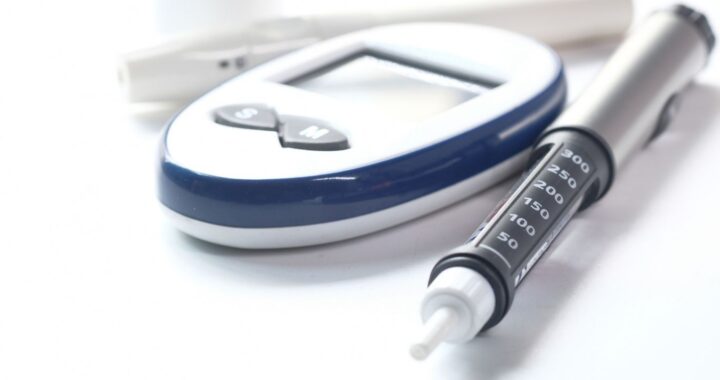
In 2026, treatment options continue evolving with longer-acting formulations, combination therapies, and even oral versions of previously injectable drugs. Continuous glucose monitors (CGMs) and smart insulin pens make daily management less burdensome.
Work closely with your doctor to find the right combination. What works varies greatly between individuals.
Preventing Serious Complications of Diabetes and Type 2 Diabetes
Uncontrolled high blood sugar over time can affect nearly every system: increased risk of heart disease, stroke, kidney damage (nephropathy), eye problems (retinopathy), nerve damage (neuropathy), and foot issues.
The good news is that keeping average blood sugar in target ranges, along with managing blood pressure and cholesterol, dramatically reduces these risks. Regular screenings—eye exams, foot checks, kidney function tests—are essential.
Why it matters: Many complications develop silently. Consistent management protects your quality of life for decades to come.
The Mental and Emotional Side of Living with Diabetes
Dealing with a chronic condition can lead to diabetes distress, anxiety, or depression. Constant monitoring, fear of complications, and lifestyle adjustments take an emotional toll for many.
Prioritizing sleep, practicing stress-reduction techniques like meditation or deep breathing, and connecting with support communities make a big difference. Mental health support is just as important as physical care.
You’re not alone—millions navigate these challenges successfully every day.
Smart Monitoring and Technology for Better Daily Control
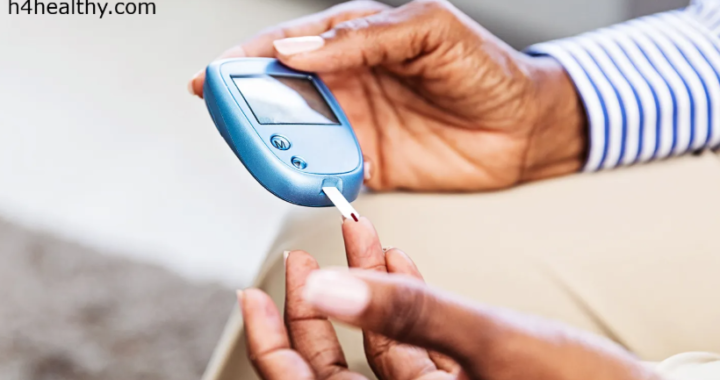
Home blood glucose monitoring, CGMs, and apps that track trends help you understand your body’s unique responses. Logging meals, activity, stress, and readings reveals patterns that guide better decisions.
Our complete analysis of diabetes technology tools explores the latest options available in 2026.
Quick Information Table
| Aspect | Details |
|---|---|
| Topic | Diabetes and Type 2 Diabetes |
| Category | Chronic Health Conditions |
| Search Trend | Steadily high with increased interest in prevention and new treatments |
| Main Focus | Understanding, management, prevention of complications |
| User Intent | Informational – seeking causes, symptoms, treatments, and lifestyle advice |
| SEO Importance | High search volume; builds topical authority in health content |
| Best For | Newly diagnosed, at-risk adults, caregivers, people seeking prevention tips |
| Industry Trend | Personalized medicine, digital health tools, focus on remission and multi-organ protection |

Frequently Asked Questions
What’s the main difference between type 1 and type 2 diabetes? Type 1 is autoimmune with little to no insulin production. Type 2 involves insulin resistance and is more lifestyle-related, though genetics play a role.
Can type 2 diabetes be reversed? Many people achieve remission (normal blood sugar without medication) through significant weight loss and lifestyle changes, but ongoing healthy habits are needed to maintain it.
Are there foods people with diabetes should never eat? No food is completely forbidden. Focus on moderation, portion size, and overall balance rather than total elimination.
How much exercise do I need if I have diabetes? Most experts recommend at least 150 minutes of moderate activity per week, plus strength training. Even short walks help.
Does stress affect blood sugar levels? Yes, stress hormones can raise blood glucose. Managing stress through relaxation techniques supports better control.
What are the latest treatment options in 2026? Newer medications with heart, kidney, and weight benefits, along with advanced monitoring devices, are changing outcomes for many patients.
How often should I see my doctor? Typically every 3-6 months, or more frequently when adjusting treatment. Regular check-ups catch issues early.
Can supplements help manage diabetes? Some may offer minor benefits, but they’re not substitutes for proven lifestyle and medical approaches. Always consult your doctor first.