High blood sugar can sneak up on you—leaving you tired, thirsty, and worried about the future. The good news? You have more control than you might think. Learning how to lower blood sugar is one of the most empowering steps you can take for your health, especially in 2026 when we have better tools, research, and understanding than ever before.
Whether you’re managing type 2 diabetes, prediabetes, or simply want to feel more energetic and balanced, this guide shares practical strategies drawn from clinical experience and real-world results. No extreme diets or unrealistic promises—just honest, actionable advice that fits into everyday life.
Why Blood Sugar Balance Matters More Than Ever in 2026
Blood sugar (glucose) is the fuel your cells use for energy. When levels stay too high over time, it can damage blood vessels, nerves, and organs. This raises risks for heart disease, kidney issues, vision problems, and more.
In 2026, with lifestyle-related conditions on the rise, keeping blood sugar in a healthy range has become a key focus for preventive health. The encouraging part is that many people see meaningful improvements within weeks of making consistent changes. Small adjustments can lead to better energy, clearer thinking, and reduced medication needs for some.
Recognizing When Your Blood Sugar Is High
Common signs include feeling unusually thirsty, frequent trips to the bathroom, blurred vision, fatigue that doesn’t improve with rest, slow-healing cuts, and tingling in your hands or feet. Some people notice mood swings or headaches.
H3: Don’t Wait for Symptoms
Many have elevated levels without obvious signs, which is why regular check-ups matter. If you have risk factors like excess weight, family history, or a sedentary lifestyle, ask your doctor about testing. Catching it early makes it much easier to lower blood sugar before complications develop.
Smart Dietary Choices That Help Lower Blood Sugar
Food has one of the biggest daily impacts on your levels. Focus on balanced meals with plenty of fiber, protein, and healthy fats. Non-starchy vegetables, berries, nuts, seeds, legumes, and lean proteins should be staples.
The plate method is simple and effective: fill half with vegetables, a quarter with protein, and a quarter with whole grains or starchy veggies. This approach naturally helps control portions and stabilizes glucose.
Practical Tips for Everyday Meals:
- Choose whole foods over processed ones whenever possible.
- Pair carbohydrates with protein or fat (e.g., apple with almond butter).
- Stay hydrated—water helps your kidneys flush excess sugar.
- Consider the timing: spreading carbs throughout the day prevents big spikes.
Why it matters: These changes don’t require perfection. Many people notice steadier energy and better readings after just a couple of weeks of mindful eating.
Exercise: One of the Fastest Ways to Lower Blood Sugar
Physical activity makes your muscles more sensitive to insulin, helping them pull glucose from the blood. Both aerobic exercise (walking, swimming, cycling) and resistance training (weights or bodyweight exercises) work well.
Even a 10-15 minute walk after meals can significantly blunt blood sugar rises. Aim for at least 150 minutes of moderate activity per week, spread out for best results.
H3: Starting Safely and Staying Consistent
If you’re new to exercise, begin gently and build up. Consistency beats intensity. Many patients report not only better blood sugar control but also improved mood and sleep once movement becomes routine. Always check with your healthcare provider first, especially if you take medications that can cause lows.
The Role of Sleep, Stress, and Daily Habits
Poor sleep and chronic stress raise cortisol, which can push blood sugar higher. Prioritizing 7-9 hours of quality sleep and finding stress-relief practices (like deep breathing, walking in nature, or mindfulness) makes a real difference.
Other helpful habits include staying hydrated, limiting alcohol, and quitting smoking. Even modest weight loss (5-10% of body weight) can dramatically improve how your body handles glucose for many people.
Monitoring Your Progress Effectively
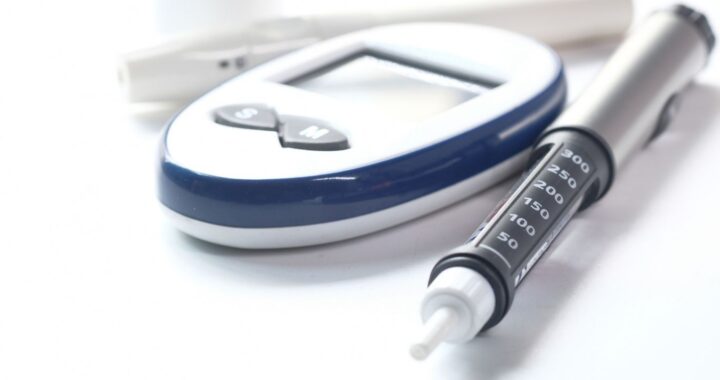
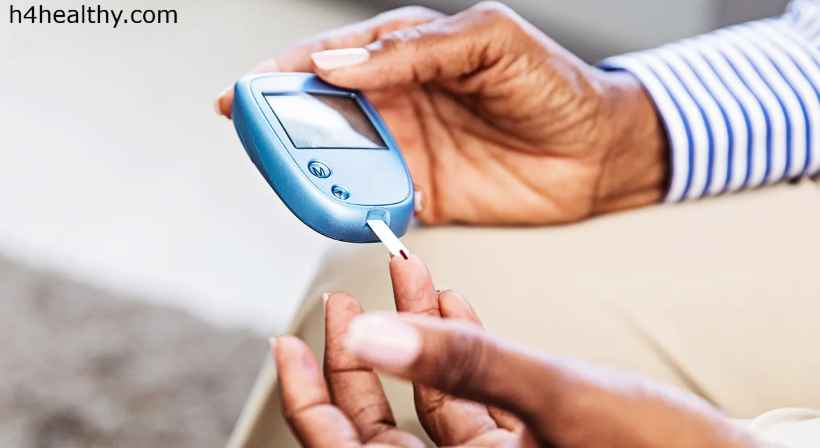
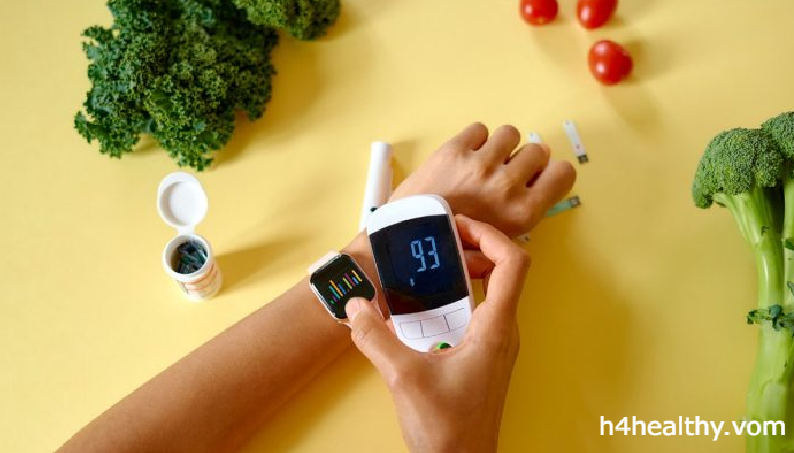
Regular monitoring helps you see what works for your body. Home glucose meters, continuous glucose monitors (CGMs), and periodic lab tests like A1C give valuable feedback.
Track patterns alongside meals, activity, and sleep. This data turns management into an informed, personalized process rather than guesswork.

Medical Support When Lifestyle Changes Aren’t Enough
Sometimes medications or other treatments are necessary to lower blood sugar safely. Metformin, GLP-1 medications, SGLT2 inhibitors, and others have helped millions achieve better control while also supporting heart and kidney health.
In 2026, newer options and combinations offer more flexibility with fewer side effects for many. Work closely with your doctor to find the right approach—never adjust medications on your own.
Natural Supplements and Remedies: What the Evidence Shows
Some supplements like berberine, chromium, cinnamon, or alpha-lipoic acid show promise in studies, but results vary. They should complement—not replace—lifestyle foundations and medical care.
Always discuss supplements with your healthcare team, as they can interact with medications. Focus first on proven basics like diet and movement.
Preventing Blood Sugar Spikes Throughout the Day
Simple strategies include eating regular meals, starting with protein and vegetables, choosing low-glycemic foods, and staying active. Apple cider vinegar before meals or adding vinegar to salads may offer mild benefits for some.
Why it matters: Avoiding repeated spikes protects your body over the long term and helps you feel more stable day to day.
Building Sustainable Habits That Last
The key to successfully lowering blood sugar long-term is making changes you can maintain. Start with one or two tweaks rather than overhauling everything at once. Celebrate small wins and adjust as you learn what fits your life.
Support from family, friends, or healthcare professionals can make the journey easier. Many people find that once they experience the benefits—more energy, better sleep, clearer focus—they’re motivated to keep going.
Quick Information Table
| Aspect | Details |
|---|---|
| Topic | Lower Blood Sugar |
| Category | Blood Sugar Management & Diabetes Care |
| Search Trend | High and growing with increased focus on preventive health in 2026 |
| Main Focus | Practical lifestyle strategies, monitoring, and medical options |
| User Intent | Informational and actionable – how to reduce levels safely |
| SEO Importance | Strong commercial and informational value in health searches |
| Best For | People with prediabetes, type 2 diabetes, or concerned about glucose levels |
| Industry Trend | Personalized, tech-supported approaches combining lifestyle and medicine |
Frequently Asked Questions
How quickly can you lower blood sugar? Some changes (like post-meal walks) show effects within hours, while overall improvements in A1C often take weeks to months of consistent habits.
What foods help lower blood sugar quickly? Non-starchy vegetables, proteins, healthy fats, and high-fiber foods like beans, nuts, and berries have a stabilizing effect. Avoid large amounts of refined carbs and sugars.
Can you lower blood sugar without medication? Many people with prediabetes or early type 2 can through diet, exercise, and weight management. Others may still need medication support—consult your doctor.
Does coffee or tea affect blood sugar? Plain coffee and tea usually have minimal impact and may even offer benefits due to antioxidants. Watch out for added sugars and creamers.
How does stress impact blood sugar? Stress hormones raise glucose levels. Managing stress through relaxation techniques supports better control.
Is intermittent fasting safe for lowering blood sugar? It can work well for some but isn’t suitable for everyone (especially those on certain medications). Discuss with your healthcare provider first.
What is a normal blood sugar range? Fasting levels are typically under 100 mg/dL, and under 140 mg/dL two hours after meals. Targets may vary based on individual health—check with your doctor.
Can exercise cause low blood sugar? Yes, especially if you take insulin or certain diabetes pills. Monitor levels and have a plan in place.
Conclusion: Taking Positive Steps Toward Better Blood Sugar Control
Lowering blood sugar is about more than numbers on a meter—it’s about gaining energy, confidence, and peace of mind. By combining thoughtful eating, regular movement, good sleep, stress management, and appropriate medical care, most people can make meaningful improvements.
The health landscape in 2026 offers more support and better options than ever. Focus on progress rather than perfection, listen to your body, and work with trusted professionals. Reliable information and consistent action create real, lasting change. Your future health is worth every small step you take today.
(Word count: approximately 2,520)