In today’s fast-moving world, most people only think about health when something goes wrong. But the truth is powerful and often ignored—your body never breaks down suddenly.
Before any disease appears, your body quietly sends signals. The problem is, most people either don’t notice them or choose to ignore them.
Fatigue, bloating, skin changes, brain fog, and mood swings are not random issues. They are early biological warning signals that something inside your system is out of balance.
Understanding these signals can help you protect your health long before a serious condition develops.
⚠️ Disease Doesn’t Happen Overnight
One of the biggest myths about health is that diseases appear suddenly. In reality, the body works very differently.
Before any diagnosis, there is a long phase where the body tries to adjust, compensate, and communicate. These early changes are subtle, but consistent.
Your body communicates through:
- Energy levels
- Sleep quality
- Digestion patterns
- Skin condition
- Mood stability
When these signals are ignored for a long time, imbalance slowly turns into disease.
🧬 Everything Starts With Daily Inputs
Your body is constantly responding to your lifestyle inputs, such as:
- Sleep quality 😴
- Food choices 🍔
- Stress levels 😰
- Light exposure 💡
- Physical activity 🏃♂️
Each input creates a biological response inside your system.
For example:
- Good sleep supports repair
- Poor sleep increases fatigue
- Healthy food reduces inflammation
- Processed food increases metabolic stress
Nothing in your body happens randomly—it is always a response.
🌙 The Silent Impact of Night Habits
One of the most overlooked health disruptors is late-night behavior.
When you are exposed to bright screens at night, your brain reduces production of melatonin, a hormone that regulates sleep and cellular repair.
Melatonin is not just about sleep—it also supports:
- Antioxidant defense
- Immune regulation
- Cellular recovery
Now combine this with late-night eating. This creates a conflict in your body:
- Melatonin = repair mode
- Food intake = digestion mode
These systems are not designed to work together efficiently. Over time, this mismatch may lead to:
- Morning fatigue
- Poor sleep quality
- Sugar cravings
- Weight imbalance
- Mood instability
🔥 Microstress: The Hidden Health Destroyer
Most people think stress only comes from big life events. But biologically, stress is much more subtle.
Even small daily triggers count as stress:
- Constant notifications 📱
- Lack of sleep
- Traffic and deadlines
- Excess caffeine
- Emotional tension
Each of these increases cortisol and adrenaline levels.
A single stress response is normal—but when it becomes constant, your body shifts into a chronic stress state.
This affects:
- Energy production
- Hormonal balance
- Immune function
- Mental clarity
Over time, you may notice:
- Brain fog
- Low motivation
- Frequent illness
- Slower recovery
- Mood fluctuations
These are not random—they are signals.
⚡ Ultra-Processed Food and Internal Inflammation
Modern convenience foods often lack fiber and contain refined ingredients, additives, and unhealthy fats.
When consumed regularly, they can cause:
- Rapid blood sugar spikes
- Insulin fluctuations
- Inflammatory responses
You may not feel the effects immediately, but your body may slowly respond through:
- Digestive discomfort
- Skin issues
- Headaches
- Fatigue
- Sinus congestion
Many people mistake these symptoms for seasonal issues, but in many cases, they are linked to dietary patterns.
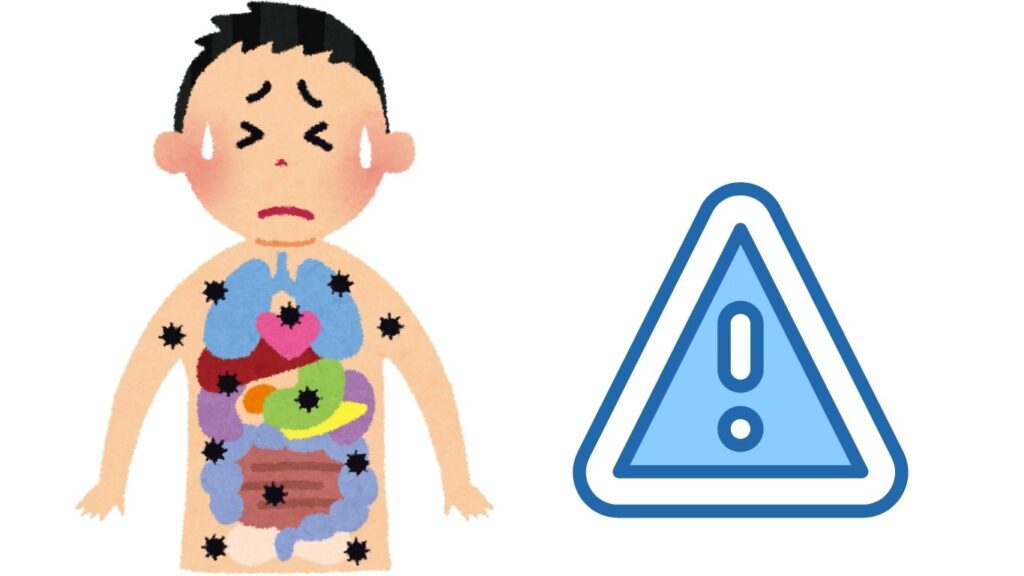
🧴 Your Skin Is a Health Mirror
Your skin is one of the most visible indicators of internal health.
Changes such as:
- Acne
- Dryness
- Pigmentation
- Texture changes
- Dark patches
can reflect deeper imbalances like:
- Hormonal shifts
- Blood sugar fluctuations
- Nutritional deficiencies
- Inflammation
Your skin is not just cosmetic—it is visible biology.
👁️ Small Signals You Should Never Ignore
Even minor symptoms can carry meaning:
👁️ Eyelid twitching
Often linked with:
- Stress
- Lack of sleep
- Excess caffeine
- Magnesium deficiency
🧠 Brain fog
Can be connected to:
- Poor sleep
- Poor diet
- Chronic stress
🧊 Fatigue
May indicate:
- Energy imbalance
- Hormonal disruption
- Lifestyle overload
These are not emergencies—but they are messages from your body.
⚖️ Your Body Always Seeks Balance
Your body is naturally designed to maintain homeostasis (internal balance).
When lifestyle habits are aligned:
- Sleep improves
- Energy stabilizes
- Inflammation decreases
- Repair systems activate
But when habits are chaotic:
- Fatigue increases
- Digestion weakens
- Mood becomes unstable
- Recovery slows down
Your body always tries to correct imbalance—but it needs your support.
🚫 The Biggest Mistake: Ignoring Signals
Most people do not fix the root cause. Instead, they only suppress symptoms:
- Painkillers for headaches
- Energy drinks for fatigue
- Creams for skin issues
- Caffeine for brain fog
This provides temporary relief—but does not solve the problem.
Real healing begins when you ask:
👉 “Why is this happening?”
🧠 Healing Begins With Awareness
True health improvement is not about extreme changes. It is about early awareness and small corrections.
Ask yourself:
- When did this start?
- What changed recently?
- Is my sleep disturbed?
- Is my diet unbalanced?
- Am I under constant stress?
These questions reveal the real cause behind symptoms.
🌱 Longevity Is Built Early, Not in Crisis
Long-term health is not created in emergencies—it is built in daily choices.
Small habits like:
- Sleeping on time
- Eating real food
- Reducing stress
- Moving daily
- Limiting processed food
can dramatically improve your long-term health trajectory.
 🔬 Why Modern Lifestyle Confuses the Body
One of the biggest reasons people miss these early signals is because modern life constantly masks symptoms instead of solving them.
For example:
- You feel tired → you drink caffeine ☕
- You feel stressed → you scroll your phone 📱
- You feel bloated → you take quick relief medicine 💊
- You feel low energy → you consume sugar or energy drinks 🥤
The problem is not the symptom itself—the problem is that the root cause remains unchanged.
Your body keeps adjusting, compensating, and tolerating… until it cannot anymore.
That’s when chronic issues slowly begin to appear.
🧩 The Body Works Like a Feedback System
Think of your body like a smart feedback machine.
Every action creates a reaction:
- Poor sleep → hormonal imbalance
- Excess stress → immune suppression
- Processed food → inflammation increase
- Sedentary lifestyle → reduced metabolism
These reactions don’t show up instantly. Instead, they build silently over time.
This is why many people say:
But in reality, the body was signaling for a long time.
🧠 Emotional Health Is Also a Physical Signal
Most people separate mental and physical health—but your body doesn’t.
Emotions directly affect biology.
For example:
- Chronic anxiety increases cortisol
- Emotional stress affects digestion
- Loneliness impacts immunity
- Overthinking affects sleep quality
If your emotional state is unstable, your body will reflect it through physical symptoms like fatigue, headaches, or digestive issues.
👉 Emotional health is not separate—it is biological input.
🧪 Subtle Nutrient Deficiencies Show Early Signs
Your body is very sensitive to nutrient imbalances, even before full deficiency appears.
For example:
- Low magnesium → muscle twitching, poor sleep
- Low iron → fatigue, dizziness
- Low B vitamins → brain fog, irritability
- Low vitamin D → low risk mood, weak it immunity
These signs are often ignored or misunderstood as “normal tiredness,” but they are early warnings.
🧭 Why Listening Early Changes Everything
The most powerful health strategy is not treatment—it is early correction.
When you respond early:
- Recovery is faster
- Damage is minimal
- Energy stays stable
- Long-term risk reduces
But when signals are ignored:
- Small issues become chronic
- Recovery takes longer
- Multiple systems get affected
Your body is always trying to protect you—but it needs cooperation.
🧘♂️ The Role of Daily Rhythm (Circadian Health)
One of the most important hidden factors in health is your circadian rhythm—your internal biological clock.
When your rhythm is aligned:
- You wake up refreshed
- Digestion works smoothly
- Hormones stay balanced
- Energy remains stable
When it is disturbed:
- Sleep becomes shallow
- Appetite becomes irregular
- Mood becomes unstable
- Cravings increase
Simple habits like sleeping on time and getting morning light can dramatically reset this system.